Quick answer
Water damage restoration usually takes anywhere from a few days to several weeks. Emergency extraction typically happens the same day, structural drying often takes about 3 to 5 days for many homes, and repairs can add days to weeks. Wetter jobs, dense materials like concrete or hardwood, mold, and insurance approvals can stretch the timeline.
When water gets into your home, one of the first questions is how long your life will be turned upside down. Fans are running, the floor may be torn up, and you want to know when things will be back to normal.
The honest answer is that it depends on the job. But water damage restoration follows a predictable order, and each phase has its own typical timeline. This guide walks through each one, explains what slows things down, and shows what you can do to keep the project moving.
A typical timeline at a glance
These are general ranges, not promises. Your timeline depends on how much water there was, what got wet, and how fast drying started.
| Phase | Typical timing (approximate) | What happens |
|---|---|---|
| Emergency response | Hours | Stop the leak, inspect, map wet areas with moisture meters |
| Extraction and tear-out | Day 1 | Remove standing water and materials that cannot be saved |
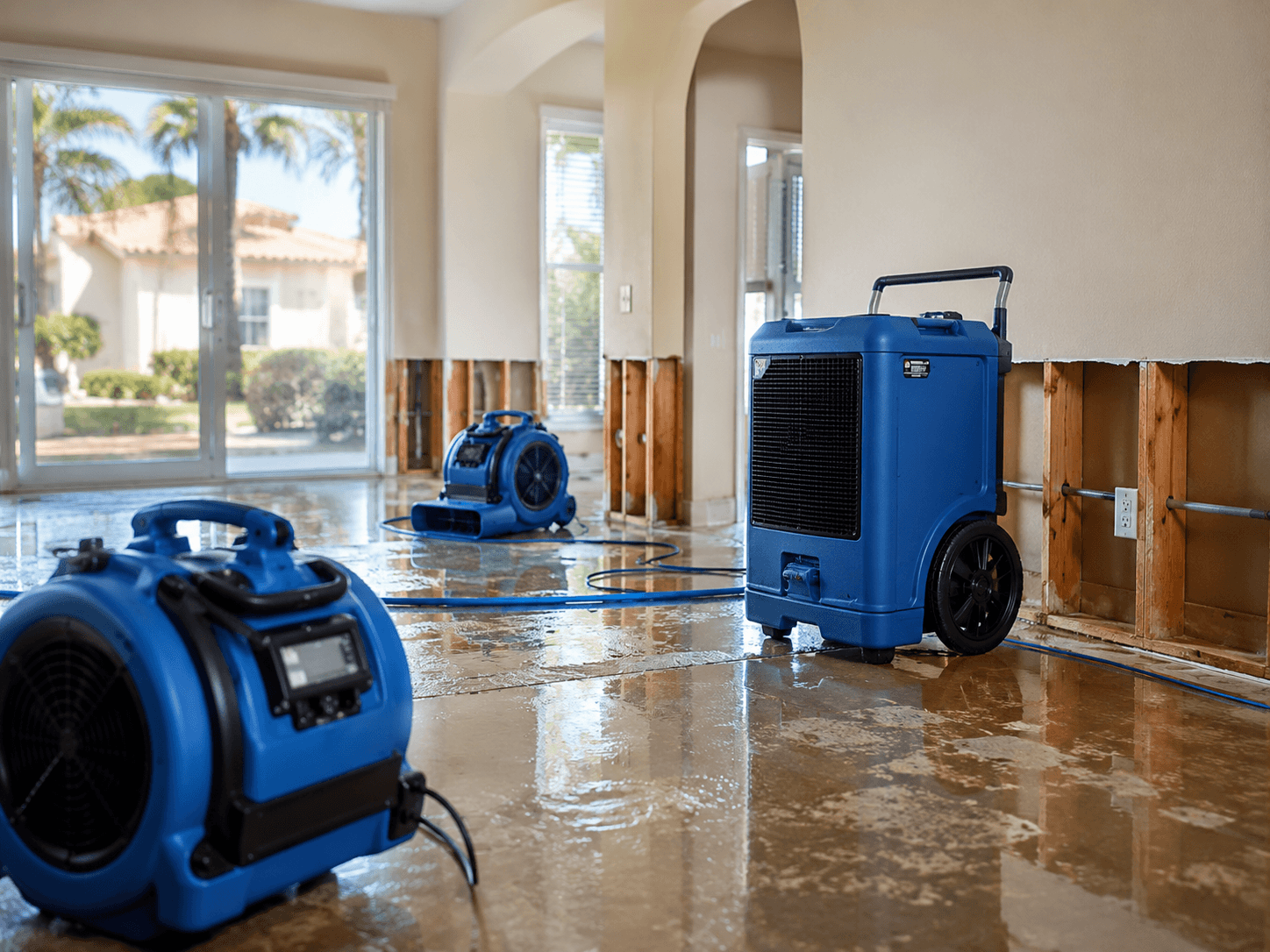
| Structural drying | Often 3 - 5 days, sometimes longer | Dehumidifiers and air movers run until materials reach dry goals |
| Moisture monitoring | Daily during drying | Readings at the same spots each visit to track progress |
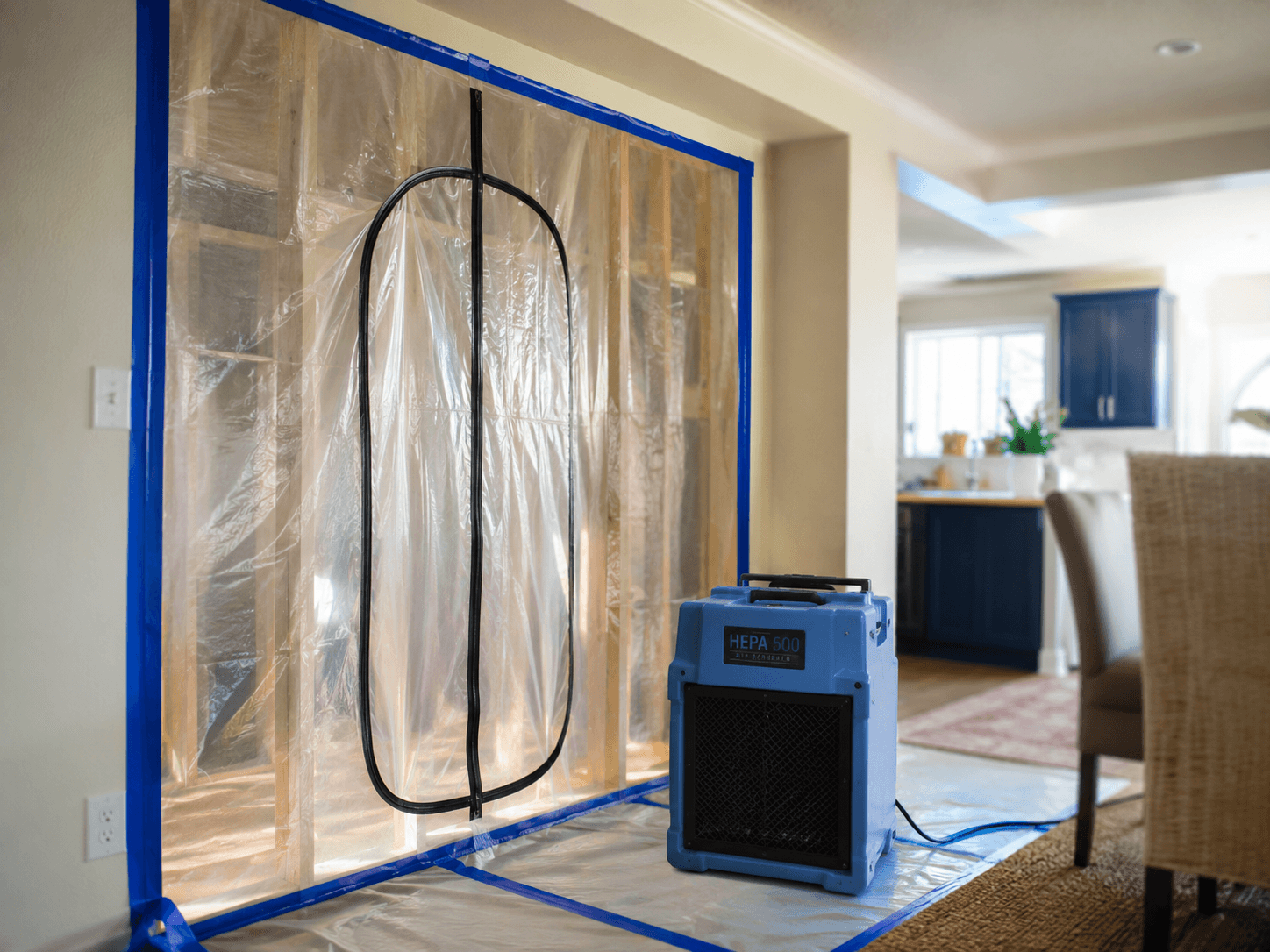
| Mold remediation (if needed) | Adds days | Containment, removal, and cleaning before rebuild |
| Repairs and rebuild | Days to several weeks | Drywall, paint, flooring, cabinets, and trim |
Phase 1: Emergency response and extraction (day one)
The clock starts when the water is found. The first job is stopping it. If the source is a broken pipe, failed supply line, or leaking water heater, a plumber needs to fix or isolate it before drying can work. At First Call Plumbing & Restoration, our licensed plumbers and restoration techs are one team, so the leak and the cleanup start on the same visit. Emergency arrival is typically 1-2 hours depending on your location and call volume.
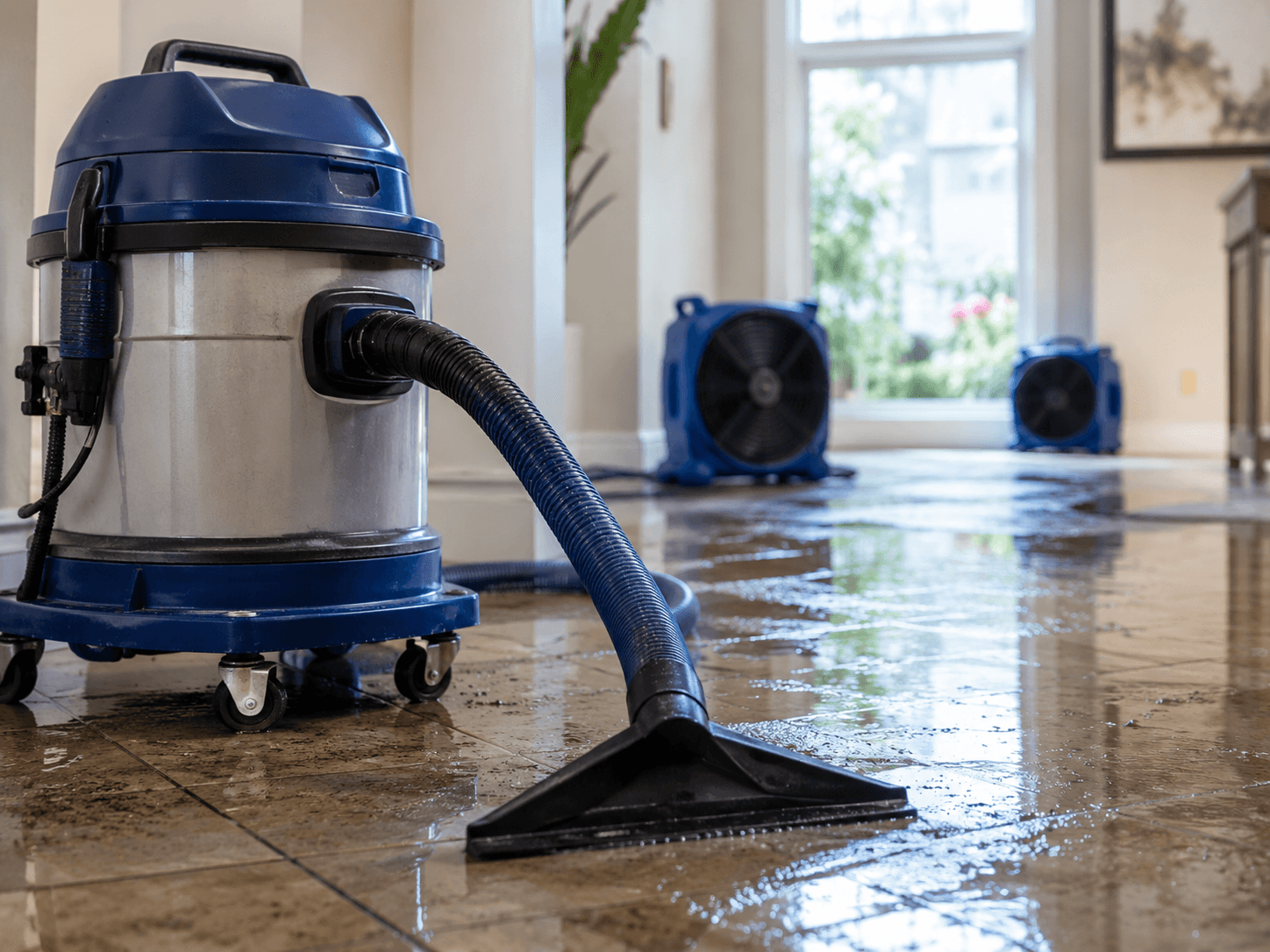
Once the water is stopped, the crew inspects with moisture meters to find out how far it spread. Water travels under baseboards, behind cabinets, and into wall cavities, so the wet area is often bigger than it looks. Then comes extraction: pulling standing water out of carpet, pad, and hard floors with powerful pumps and vacuums. Extraction removes far more water than air drying alone, which shortens the drying phase.
Day one usually also includes removing materials that will not dry well or are not worth saving, such as soaked carpet pad, swollen baseboards, or the lower part of wet drywall. Opening up wet walls lets air reach the cavity and can cut days off drying. Together with drying, this emergency stage is called mitigation - see water mitigation vs. restoration for how it differs from the repair phase.
Phase 2: Structural drying (usually days, not hours)
This is the phase people ask about most. Restoration companies commonly say that many residential jobs dry in about 3 to 5 days. That is a useful rule of thumb, but it is not a rule. The IICRC S500 standard for water damage does not set a fixed number of days. Instead, drying is finished when materials reach dry goals - moisture levels close to similar materials in an unaffected part of the home.
How long that takes depends largely on the class of the water loss, which describes how much water there is and how hard the materials will be to dry:
- Class 1: a small area with little water absorbed. These jobs tend to be on the faster end.
- Class 2: a whole room or more of wet carpet and pad, with water wicked up the walls.
- Class 3: the wettest losses, often coming from overhead, with soaked ceilings, walls, insulation, and floors.
- Class 4: dense materials like hardwood, plaster, brick, and concrete that hold water deep inside and release it slowly. These usually take the longest.
What slows drying down
- Concrete slabs. Most Inland Empire homes sit on slab foundations. Water that runs under flooring soaks into the concrete, and a wet slab can take extra days to reach dry goals before new flooring goes down.
- Layered materials. Two layers of drywall, flooring over old flooring, or tile over a subfloor trap water between layers.
- Cabinets and built-ins. Water hides under cabinet bases and toe kicks. Sometimes the toe kick has to come off so air can reach underneath.
- Delayed start. Water that sat for a day or two has had time to soak deeper.
- Turning equipment off. Unplugging dehumidifiers at night because of noise or power use can add days to the job.
Moisture monitoring: how you know it is really dry
Surfaces often feel dry long before the inside of a wall or slab is dry. That is why techs take moisture readings at the same marked spots on each visit, usually daily, and track the indoor humidity. Readings are compared against a dry reference - the same type of material in a part of the house that never got wet.
Equipment comes out when the readings say so, not when a set number of days has passed. Pulling dehumidifiers early to save a day or two is one of the most common reasons for musty smells, warped flooring, and mold showing up weeks later. The daily readings also become part of your records, which helps if you file an insurance claim.
The mold clock runs at the same time
The EPA advises drying water-damaged materials within 24 to 48 hours to help prevent mold growth. That does not mean the whole job finishes in two days. It means drying should start fast and keep going without breaks, so materials do not sit wet and warm long enough for mold to take hold.
If mold has already started by the time drying begins, mold remediation adds steps to the timeline: setting up containment, removing affected materials, and cleaning before any rebuild. That can add days, and sometimes more if the growth is widespread. Read more in how fast does mold grow after water damage.
Phase 3: Repairs and rebuild (the most variable part)
Repairs only start once everything has tested dry. Closing up a wall that is still wet just traps moisture inside. After that, the timeline depends on what was removed:
- Small drywall repairs with texture and paint are often done in a few days, partly because joint compound and paint need drying time between coats.
- New flooring depends on the material. Some flooring needs time to adjust to the room before installation, and a slab may need to reach dry goals first.
- Cabinets and countertops can take the longest if they must be ordered or custom built. Countertops are usually measured after base cabinets are set.
- Larger rebuilds involving several rooms can take several weeks, especially if permits or inspections are needed.
Matching existing finishes can also add time. If your flooring runs through several rooms or your cabinets are an older style, finding a match or deciding on a replacement takes a little planning. Our reconstruction and rebuild team handles the repairs after drying, so there is no gap waiting for a separate contractor to schedule you.
Insurance steps that can add time
If you file a claim, a few steps can stretch the calendar - mostly on the repair side, not the drying side:
- Reporting the claim. Call your insurer or agent as soon as the water is stopped.
- Adjuster inspection. Scheduling a visit can take days, especially after storms when many homes are affected.
- Estimate review. The insurer reviews the scope of work for mitigation and repairs.
- Supplements. If hidden damage turns up once walls are opened, an updated estimate may need review.
In California, the Fair Claims Settlement Practices Regulations generally require insurers to acknowledge a claim within 15 calendar days, and to accept or deny it within 40 calendar days after receiving proof of claim. Many claims move faster than that, but it shows why rebuild timing can depend on the paperwork.
What should not wait is drying. Most homeowners policies expect you to take reasonable steps to prevent further damage, so start mitigation right away and document everything with photos. We provide photos, moisture readings, and a written scope, and we can work with your adjuster. The settlement itself is between you and your insurer, and no one can promise approval. For more, see homeowners insurance and water damage in California.
What speeds restoration up
- Call right away. Every hour water sits, it soaks deeper into drywall, wood, and concrete.
- Know your main shutoff. Stopping the water fast keeps the wet area small.
- Keep equipment running. Leave dehumidifiers and air movers on, and keep windows and doors closed unless your tech says otherwise.
- Make decisions early. Pick replacement flooring, cabinets, or paint colors while drying is underway so materials can be ordered.
- Keep your paperwork together. Photos, receipts, and your claim number make the insurance side go smoother.
- Use one team. When the same company fixes the leak, dries the home, and rebuilds, there are fewer handoffs and scheduling gaps.
Can you stay home during restoration?
Often, yes. Many families stay home while one or two rooms are being dried, though the equipment is loud and makes rooms warm. Staying elsewhere may make more sense if the kitchen or only bathroom is out of service, if the water was contaminated, like a sewer backup, or if mold remediation requires sealing off a large area.
Water damage does not wait, and the fastest timelines start with a fast call. First Call Plumbing & Restoration is open 24/7 with licensed plumbers and IICRC-certified restoration techs working out of San Bernardino. Call (909) 751-2323 or contact us and we will stop the leak, get drying started, and give you a clear plan from day one to the final coat of paint.
Frequently asked questions
How many days do dehumidifiers and fans need to run after water damage?+
Many homes need about 3 to 5 days of drying, but there is no fixed number. Equipment should run until moisture readings show materials have reached dry goals. Heavily soaked areas and dense materials like concrete, hardwood, and plaster often take longer.
Why can't repairs start right after the water is cleaned up?+
Wet drywall, framing, and subfloors have to dry fully before they are covered. Closing up a wall or laying new flooring over damp materials traps moisture inside, which can lead to mold, odors, and warped floors later.
Do I have to wait for the insurance adjuster before drying starts?+
Generally no. Most policies expect you to take reasonable steps to prevent further damage, which includes starting mitigation. Take photos first, keep damaged materials if you can, and let your insurer know drying has started. Check your own policy for details.
What makes water damage restoration take longer than expected?+
Common causes are a delayed start, water under flooring or in a concrete slab, contaminated water, mold that needs remediation, hidden damage found after walls are opened, waiting on materials like cabinets, and insurance review of repair estimates.
How long does mold remediation add to the timeline?+
It depends on how much mold there is. Small areas may add a few days, while larger growth that needs containment and removal across several rooms can add more. Mold work must be finished before rebuilding starts.
This guide is general information, not a quote or professional advice for your specific home or insurance policy. Prices are approximate - we give an up-front quote before any work begins.