Storm & Flood Cleanup
Severe weather and flooding need a fast, certified response. We extract, sanitize, and dry to prevent secondary damage.
What's included
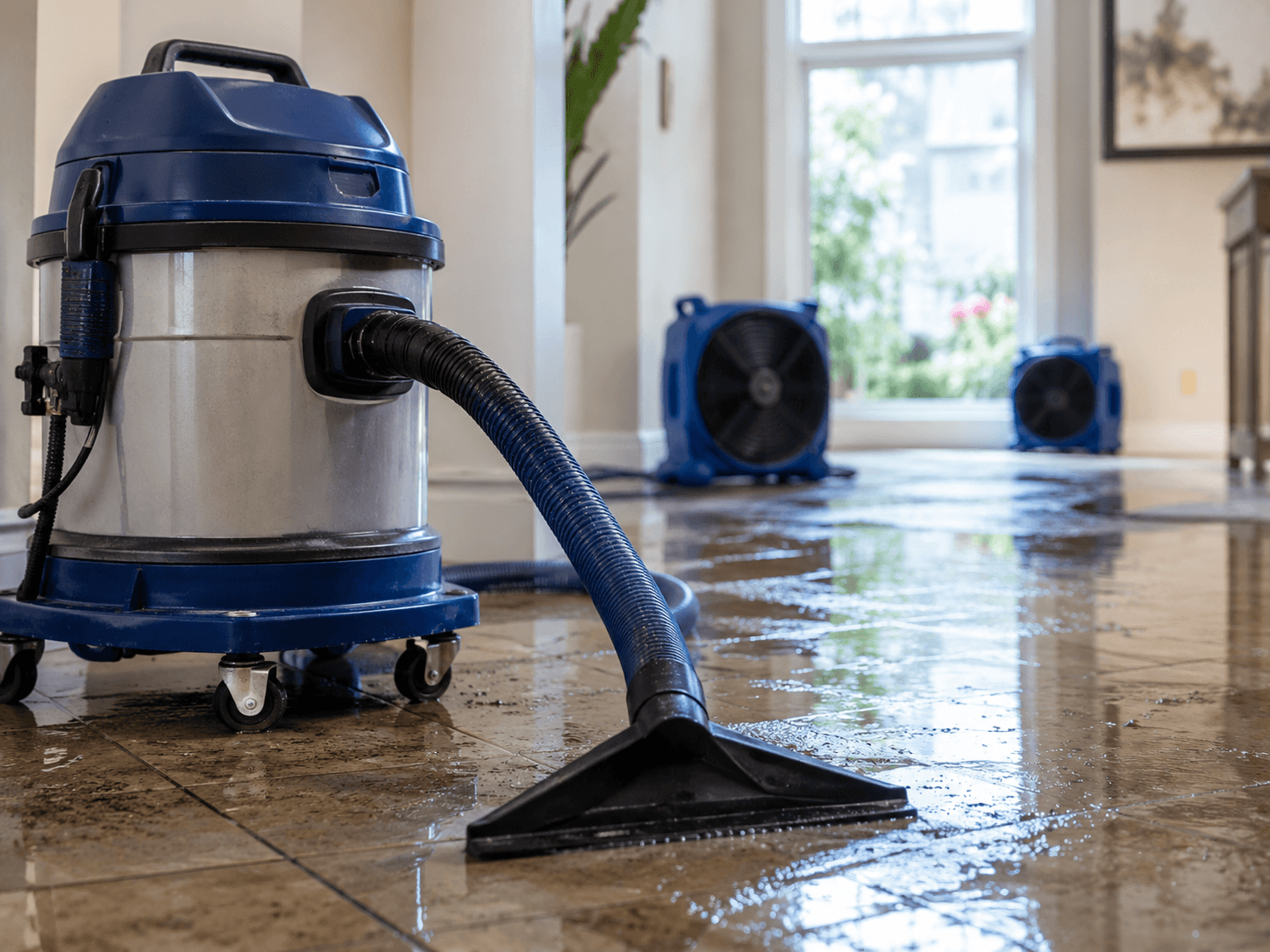
- Flood water extraction
- Sewage / category-3 cleanup & sanitizing
- Structural drying
- Debris removal
- Documentation for your claim
Need this today?
We're available 24/7 across the Inland Empire with up-front pricing and licensed, insured technicians.
(909) 751-2323Contact usStorm & Flood Cleanup FAQs
What is storm and flood cleanup?+
Storm and flood cleanup is the emergency removal of water, mud, and debris after severe weather, followed by sanitizing and structural drying. Floodwater from outside is treated as Category 3, meaning it may carry bacteria, so soaked materials often need to be removed rather than just dried. Our IICRC-certified crews respond across the Inland Empire to extract, sanitize, and dry before secondary damage sets in.
Is floodwater dangerous?+
Yes, floodwater that comes in from outside is Category 3 water, which is grossly contaminated and may carry bacteria and other pathogens. It can also hide sewage, chemicals, and sharp debris. Keep kids and pets away, wear gloves and boots if you must go in, and stay clear of wet outlets. Porous items soaked by floodwater, like carpet pad, usually need to be thrown out.
What is the difference between storm damage and flood damage?+
Storm damage usually means water got in because wind, hail, or a fallen tree broke through the roof, windows, or walls, while flood damage is water that rises or flows in across the ground. The difference matters for insurance: rain through a storm-damaged roof is often covered, but flooding usually needs a separate flood policy. Our insurance guide explains more.
How is a sewage backup cleaned up?+
Sewage backup cleanup is Category 3 work: crews wear protective gear, remove contaminated water and porous materials like carpet and pad, then clean, disinfect, and dry the area. Keep people and pets out of the space until it's done. A sewer camera inspection afterward can find the cause, such as roots or a broken line, so it doesn't happen again. See our sewer camera service.
Can I let floodwater damage dry on its own?+
No, waiting is risky. Mold can start growing within 24 to 48 hours, and floodwater soaks into drywall, insulation, and concrete slabs, which dry slowly. Contaminated water also leaves bacteria behind even after it evaporates. Professional extraction, removal of soaked materials, sanitizing, and drying with moisture monitoring is the safe way to get your home back to normal.
Related services
All services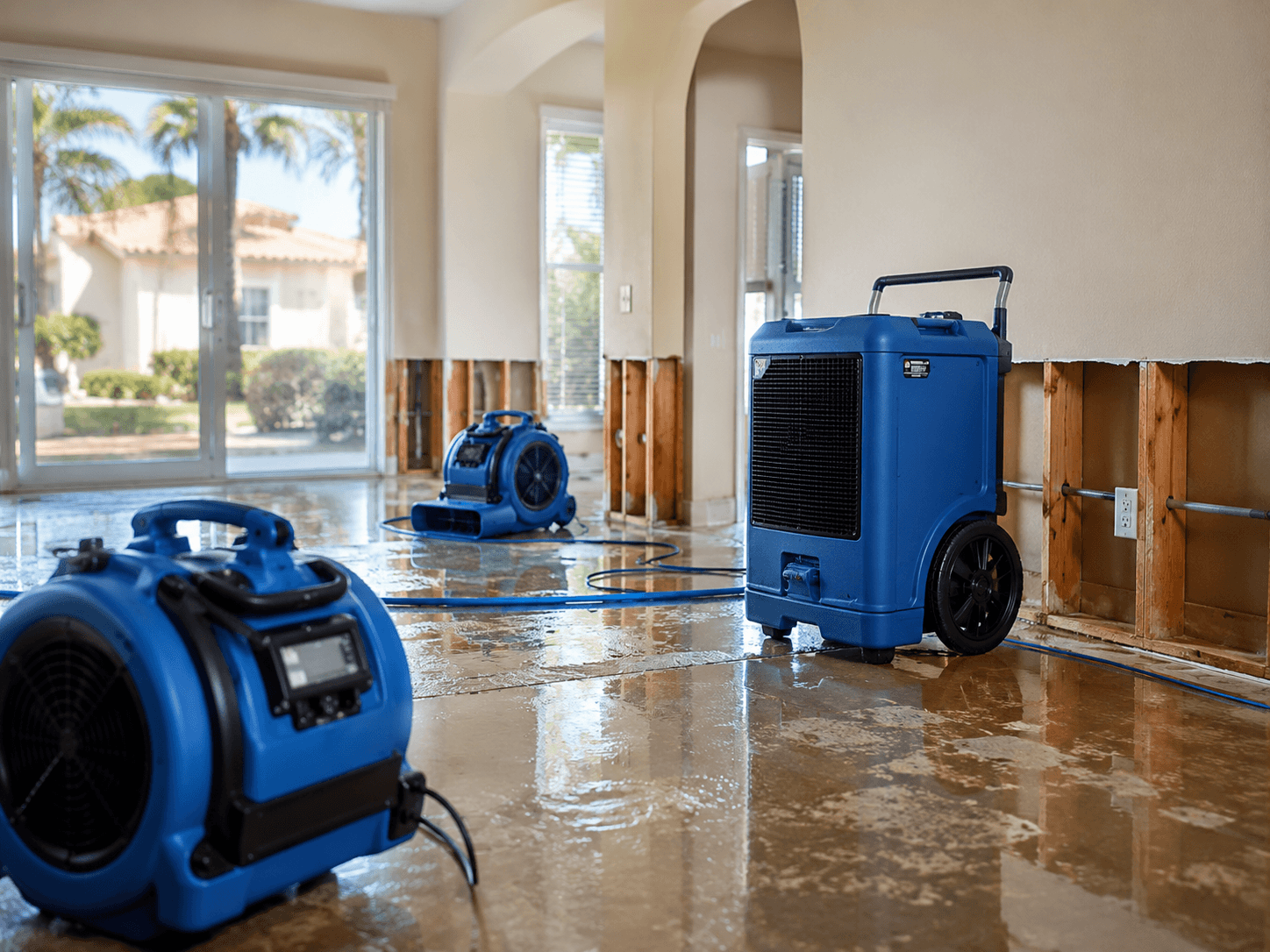
Helpful guides
Your First Call Clears It All.
Talk to a real person now and get a licensed plumber or restoration crew dispatched across the Inland Empire - day or night.