Quick answer
Mold can start growing on wet materials within 24 to 48 hours after a leak or water damage, often before you can see it. The EPA advises drying water-damaged areas within that window. Stop the water and start drying right away - if drywall, carpet pad, or cabinets got wet, surface drying usually isn't enough.
A pipe bursts, a water heater lets go, or a toilet overflows while you're at work. You clean up what you can see, set up a fan, and hope for the best. The big question is how much time you have before mold becomes part of the problem.
The short answer: less than most people think. The EPA advises drying water-damaged areas and items within 24 to 48 hours to prevent mold growth, and FEMA and the CDC give the same window after floods. This guide explains what happens during that window, what speeds mold up or slows it down, where it likes to hide, and when a small cleanup turns into a job for a professional.
The 24-48 hour window, explained
Mold spores are already present in nearly every home, indoors and out. They float in the air and settle on surfaces without causing trouble - until they land on something that stays wet. Then they can start to grow.
That's why the clock starts the moment materials get wet, not the moment you notice a problem. Here's a general picture of how it tends to play out. Every situation is different, so treat these as rough stages, not exact times.
| Time since water damage | What's typically happening |
|---|---|
| First few hours | Water spreads into drywall, carpet pad, baseboards, and cabinet bases. Porous materials start wicking water upward and outward. |
| 24-48 hours | Mold can begin growing on materials that are still damp. You usually can't see it yet. A musty smell may start. |
| Several days to a couple of weeks | Growth often becomes visible as spots or fuzzy patches, especially on the back side of drywall, under carpet, and inside cabinets. |
| Weeks to months | Hidden growth can spread across wall cavities and subfloors. Materials may warp, stain, or start to break down. |
What makes mold grow faster
Mold needs four things: spores, moisture, something to feed on, and a comfortable temperature. In a typical home, three of those are always present. Moisture is the one you can control, and it decides how fast things move.
- How wet things are and for how long. A quick spill wiped up right away is very different from water that soaked into a wall overnight.
- What got wet. Drywall paper, wood, carpet backing, cardboard, and ceiling tiles are all good mold food. Tile, metal, and glass are not, though dust and grime on them can be.
- Indoor humidity. The EPA recommends keeping indoor relative humidity below 60 percent, ideally between 30 and 50 percent. Higher humidity slows drying and keeps surfaces damp.
- Temperature. Most common molds do well at the same temperatures people find comfortable. Warm Inland Empire homes don't slow mold down.
- Airflow. Closed-up rooms, wall cavities, and the space under cabinets dry slowly and stay damp much longer than open floors.
- Dirty water. Water from a sewer backup or floodwater carries contamination. The EPA recommends calling a professional for damage caused by sewage or other contaminated water.
Where mold hides after a leak
Water runs down and sideways, and it soaks into places you can't see. The EPA lists several common hiding spots for hidden mold. Check these first after any leak:
- The back side of drywall, paneling, and wallpaper
- Under carpet and carpet pad, especially along walls
- Inside sink base cabinets and behind dishwashers and refrigerators
- The top side of ceiling tiles and drywall below a bathroom or attic leak
- Around pipes inside walls, where small leaks can drip for months
- Inside HVAC ductwork and air handlers
- Behind furniture pushed against exterior walls, where air doesn't move
Common Inland Empire moisture sources
Our hot, dry summers make some people assume mold isn't a local problem. It is - it just tends to come from plumbing and appliances more than from the weather. Watch for these:
- Slab leaks. Many Southern California homes sit on concrete slabs with water lines below. A leak under the floor can keep carpet pad and baseboards damp for weeks. See our guide on the signs of a slab leak.
- AC condensate lines. A clogged drain line or cracked drain pan in an attic or closet can drip quietly all summer.
- Swamp coolers. Evaporative coolers add moisture to indoor air by design. A leaking unit or poor upkeep can wet the roof deck and ceilings.
- Water heaters and supply lines. Slow leaks from a tank, a fitting, or a braided supply hose can soak a closet or garage wall.
- Winter storms. Heavy rain can find roof and window leaks that have stayed hidden all year.
What to do in the first 48 hours
The goal is simple: stop the water and get things dry fast. If you've just had a leak, work through these steps:
- Stop the source. Shut off the fixture valve or the main water shutoff. If you can't find or stop the leak, call an emergency plumber.
- Stay safe. If water is near outlets, cords, or appliances, turn off power to that area at the breaker before you walk in.
- Remove standing water. Use towels, mops, or a wet vac.
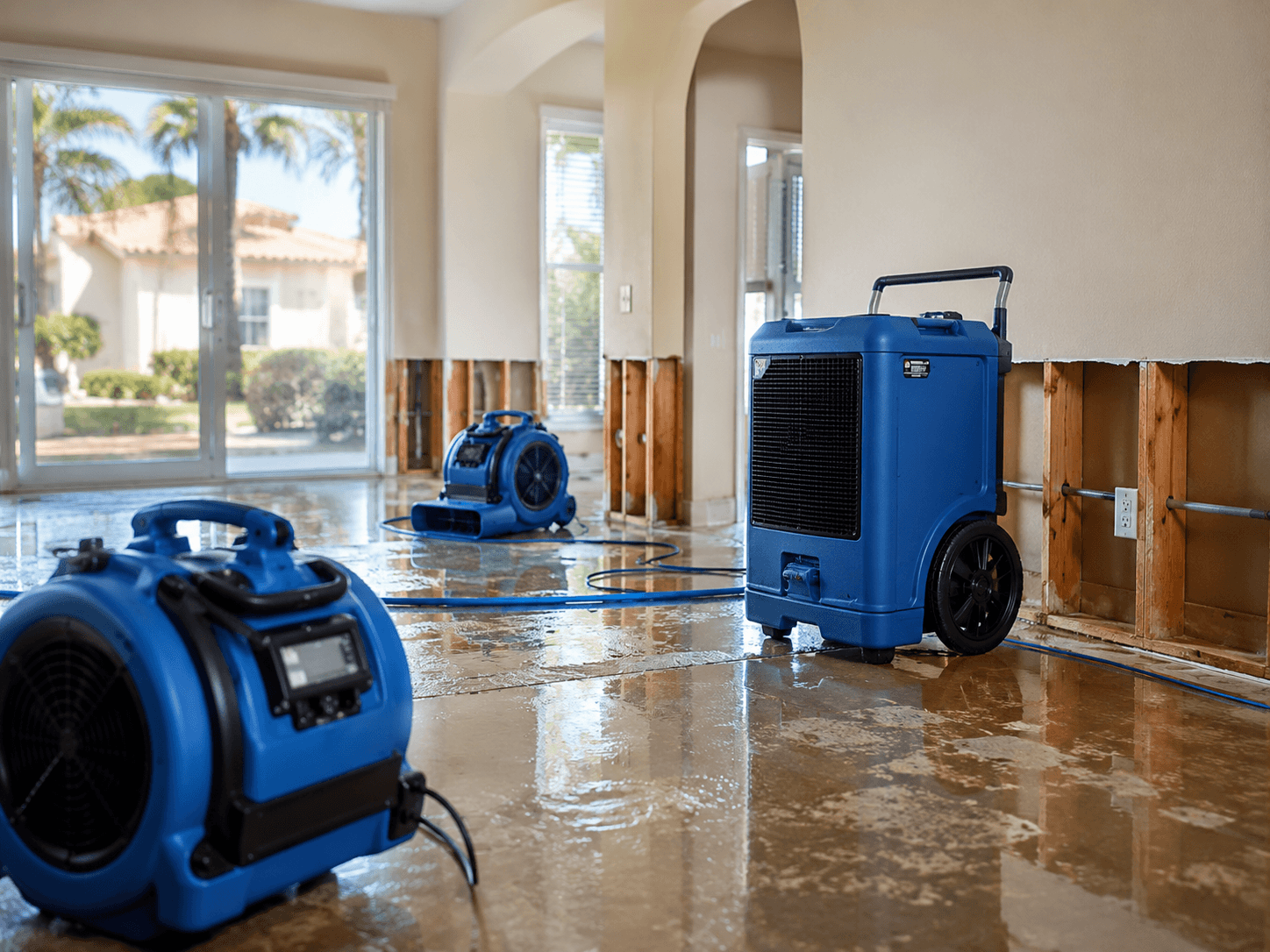
- Get air moving. Open doors and run fans. Run the AC or a dehumidifier to pull moisture out of the air.
- Pull up wet rugs and move belongings. Get wet items out of the room to dry, and lift furniture off wet carpet.
- Take photos. Document the damage before and during cleanup. It helps if you decide to file an insurance claim.
- Check what you can't see. If drywall, carpet pad, or cabinets got wet, surface drying usually isn't enough.
For a full checklist, read our guide to the first 24 hours after water damage.
Signs mold has already started
- A musty, earthy smell that's stronger in one room or near one wall
- Spots or fuzzy patches in black, green, gray, white, or orange
- Paint that's bubbling or peeling, or drywall that feels soft
- Baseboards or cabinet bottoms that are warped or stained
- Allergy-type symptoms that seem worse in one part of the house
About health: the CDC notes that damp and moldy spaces can cause stuffy nose, sore throat, coughing or wheezing, burning eyes, or skin rash in sensitive people - or no effects at all. People with asthma, mold allergies, weak immune systems, or chronic lung disease can react more strongly. If you have health concerns, talk to your doctor.
You also don't need to know what kind of mold it is. The CDC does not recommend mold testing for most homes, because no matter what type is present, it needs to be removed and the moisture problem fixed.
When to call a professional
The EPA says that if the moldy area is less than about 10 square feet (roughly a 3-foot by 3-foot patch), most homeowners can handle it themselves. Hard surfaces can be scrubbed with detergent and water and dried completely. Call a pro when any of these are true:
- The moldy area is larger than about 10 square feet
- Water soaked into walls, ceilings, subfloors, or cabinets and stayed wet more than a day or two
- The water came from a sewer backup, flood, or other dirty source
- You smell mold but can't find it
- You think mold may be in your HVAC system (the EPA advises not running it if you suspect contamination)
- Someone in the home has asthma, allergies, or a weakened immune system
- The leak keeps coming back, or you don't know where the water came from
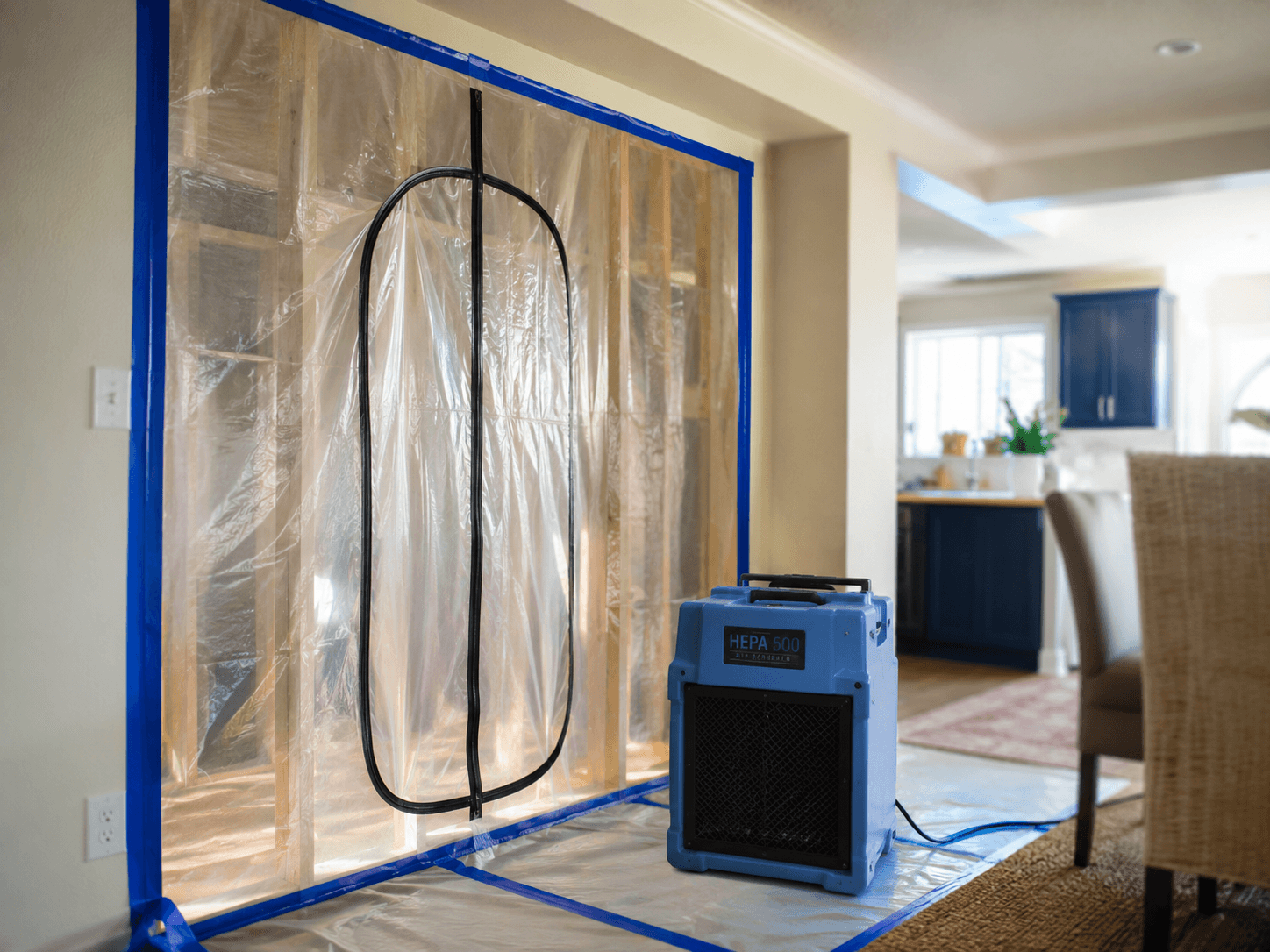
Professional mold remediation means finding and fixing the moisture source, containing the work area, removing damaged materials, cleaning with HEPA filtration, and confirming the area is dry before rebuilding. If you're comparing options, our guide on mold remediation vs. mold removal explains what a proper job includes.
How we help
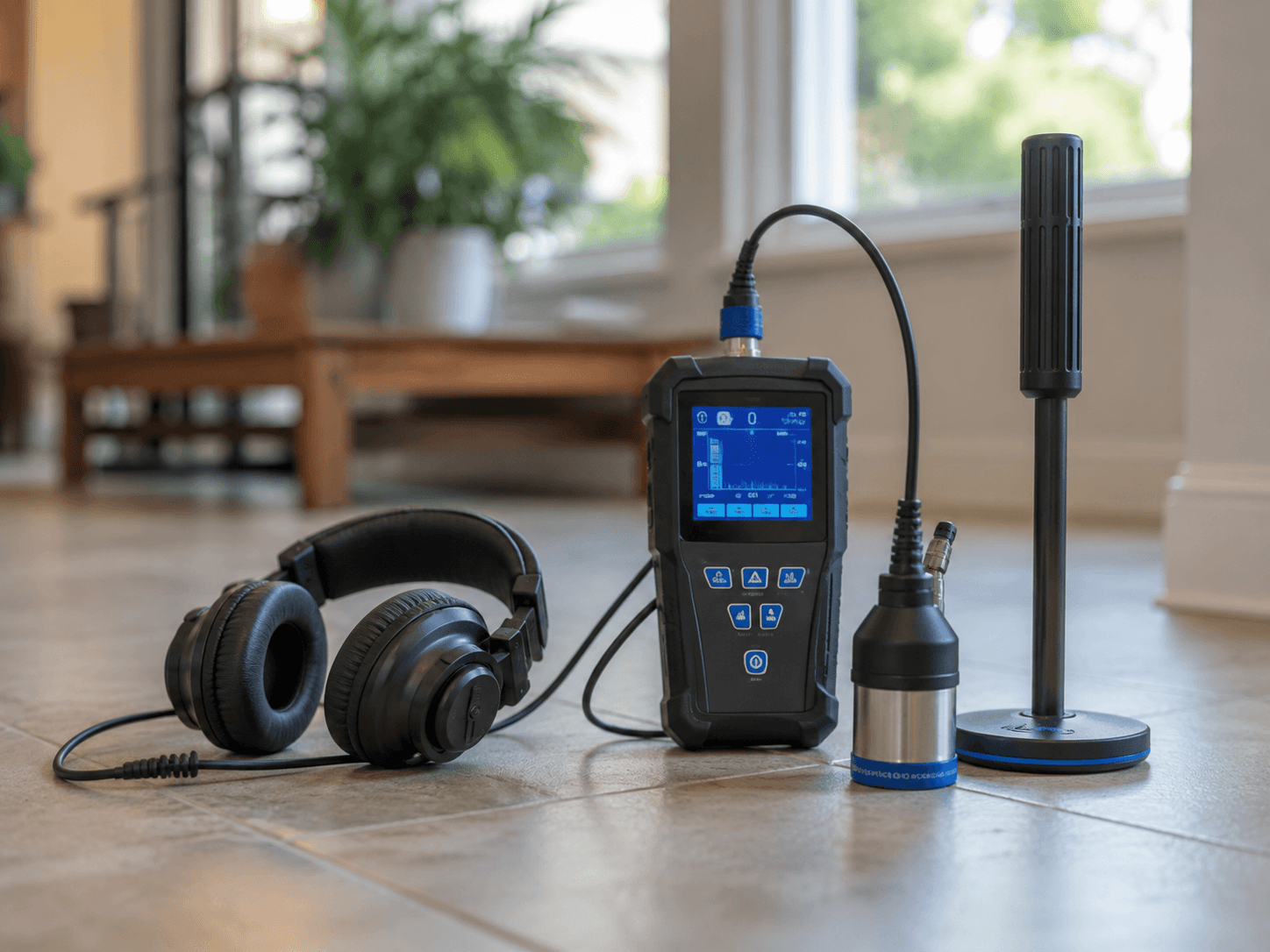
First Call Plumbing & Restoration handles both sides of the problem: the plumbing that caused the leak and the water damage restoration and mold work that follow. Our restoration techs are IICRC-certified. We use moisture meters to map what's wet, dry the structure, and remove mold safely when it's already started. We also document the damage with photos, moisture readings, and a written scope, and we can work with your insurance adjuster. Whether your claim is approved is between you and your insurer.
We serve Colton, San Bernardino, Riverside, and communities across Riverside and San Bernardino counties. Emergency arrival is typically within 1-2 hours, depending on your location and call volume.
Had a leak in the last day or two? Don't wait for mold to show up. We're open 24/7 - call (909) 751-2323 or contact us online and we'll help you get dry before mold gets started.
Frequently asked questions
How long does it take for mold to grow after water damage?+
Mold can begin growing on damp materials within 24 to 48 hours, which is why the EPA recommends drying water-damaged areas within that window. Visible spots often take longer to show up, so mold may be growing before you can see it.
Will mold grow if the water dried on its own?+
It depends on how fast things dried. A small spill on a hard floor that dried in a few hours is low risk. Water that soaked into drywall, carpet pad, or cabinets can stay wet inside long after the surface feels dry, and that's where mold usually starts.
Do I need to test for mold?+
Usually not. The CDC does not recommend mold testing for most homes, because any mold growth should be removed no matter what type it is. The more useful step is finding and fixing the moisture source and measuring how wet materials are.
Can I clean mold myself?+
The EPA says most people can handle an area smaller than about 10 square feet, scrubbing hard surfaces with detergent and water and drying them fully. For larger areas, hidden mold, sewage water, HVAC contamination, or anyone in the home with health concerns, call a professional.
Does homeowners insurance cover mold?+
Coverage depends on your policy and on the cause. Many policies treat mold from a sudden, accidental leak differently than mold from long-term moisture or lack of upkeep. We document the damage and can work with your adjuster, but the coverage decision is up to your insurer.
This guide is general information, not a quote or professional advice for your specific home or insurance policy. Prices are approximate - we give an up-front quote before any work begins.