Quick answer
A plumber typically costs about $45 to $200 an hour nationally, with many cost guides putting the average near $90 to $100, plus a possible service call fee. Emergency and after-hours visits often cost 1.5 to 3 times more. Your total depends on the job, access, parts, and permits, and Southern California prices can differ.
When something goes wrong with your plumbing, two questions come up fast: can it be fixed today, and what is it going to cost? The second one is hard to answer over the phone, because a plumbing bill depends on what's actually wrong, where it is, and when you need help.
This guide shares typical national price ranges from published cost guides, explains what drives the price up or down, and lists the red flags that can turn a simple repair into an expensive surprise.
Typical plumber costs (national ranges)
These figures come from national cost guides. They are approximate, and prices in the Inland Empire and the rest of Southern California can be higher or lower. Use them to get a rough idea, not as a quote.
| Item | Approximate national range | Source |
|---|---|---|
| Hourly rate | About $45 - $200 per hour; averages near $90 - $100 | Fixr, This Old House |
| Service call or trip fee | About $50 - $300 | Fixr |
| Emergency or after-hours work | About 1.5 to 3 times standard rates | Angi |
| Clearing a clogged drain | About $100 - $500 | Fixr, This Old House |
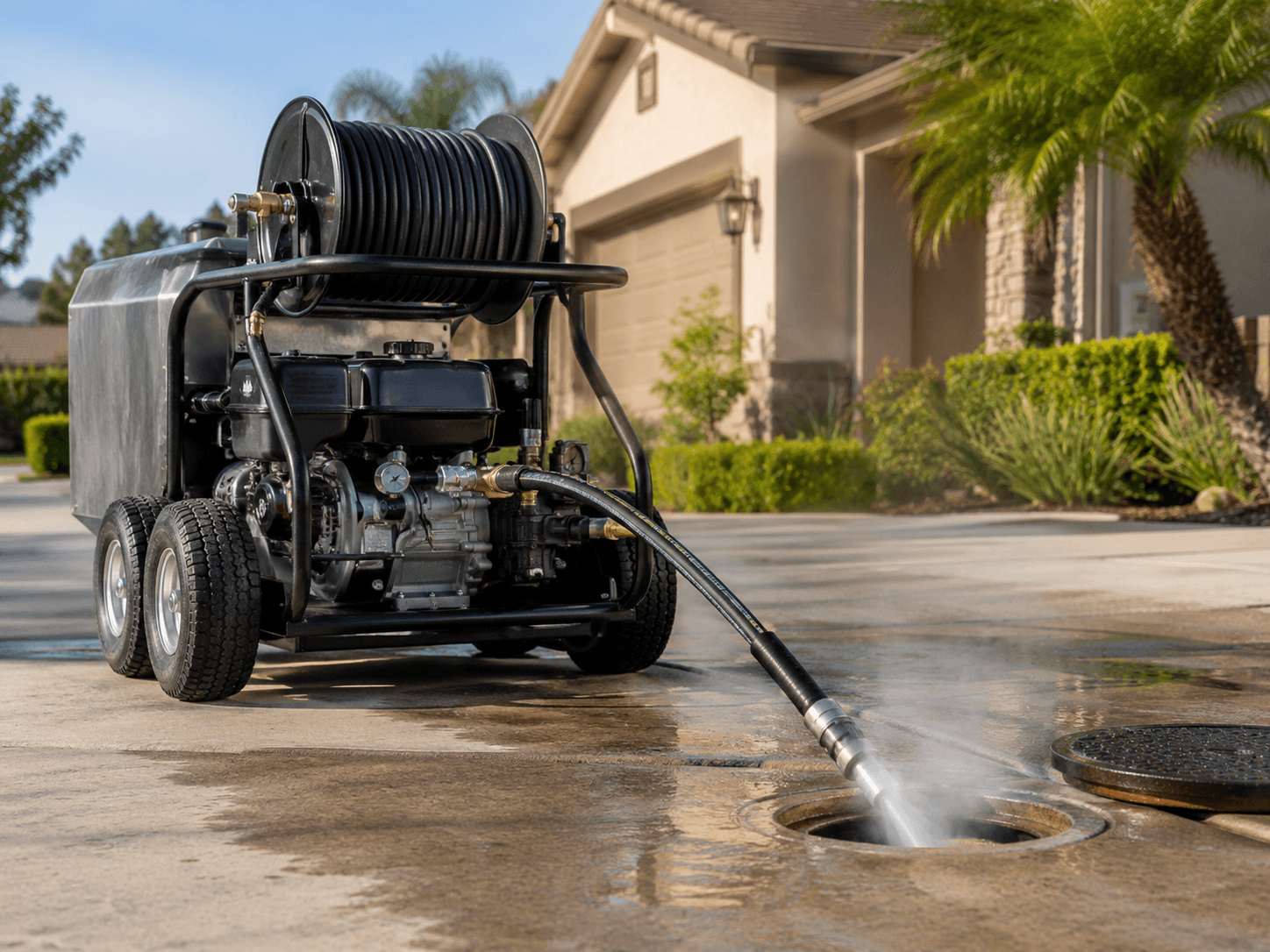
| Hydro jetting a drain line | About $350 - $600 (average about $475) | Angi |
| Repairing an accessible leaking pipe | About $150 - $450 | Fixr, This Old House |
| Slab leak repair | Average about $2,280; most about $630 - $4,400 | HomeAdvisor |
| Tank water heater replacement | Average about $1,350; most about $880 - $1,830 | Angi |
| Whole-house repipe | Average about $7,500; most about $1,500 - $15,000 | Angi |
| Sewer camera inspection | About $100 - $500 | This Old House |
What drives the price
1. When you call
Nights, weekends, and holidays usually cost more. National guides put emergency rates at roughly 1.5 to 3 times a standard rate, and holidays tend to be at the top of that range. If the problem can safely wait until regular hours, you may save money. If water is actively leaking or sewage is backing up, it can't wait - the damage usually costs more than the after-hours rate. Our 24/7 emergency plumbing team is there for those calls.
2. Diagnosis
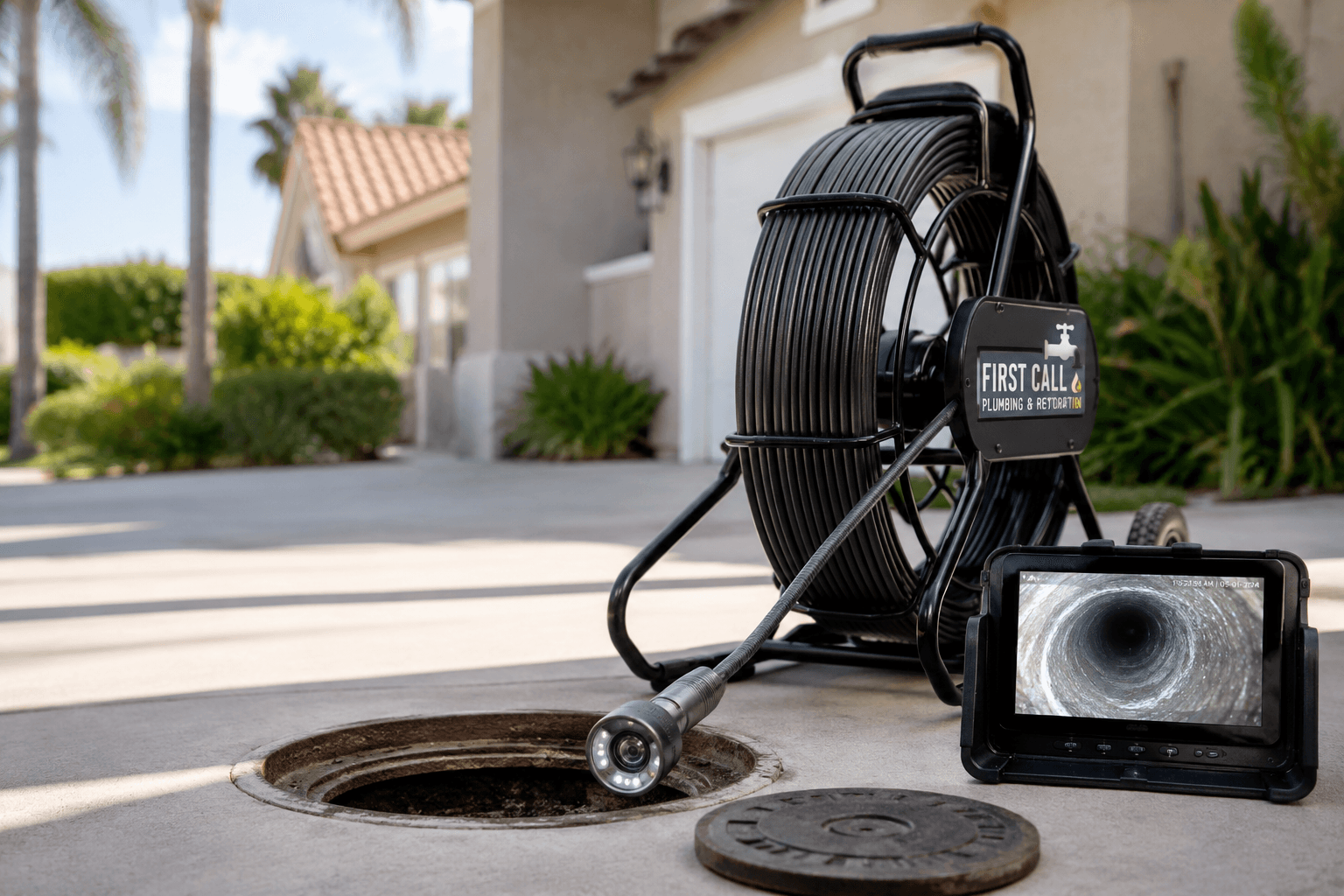
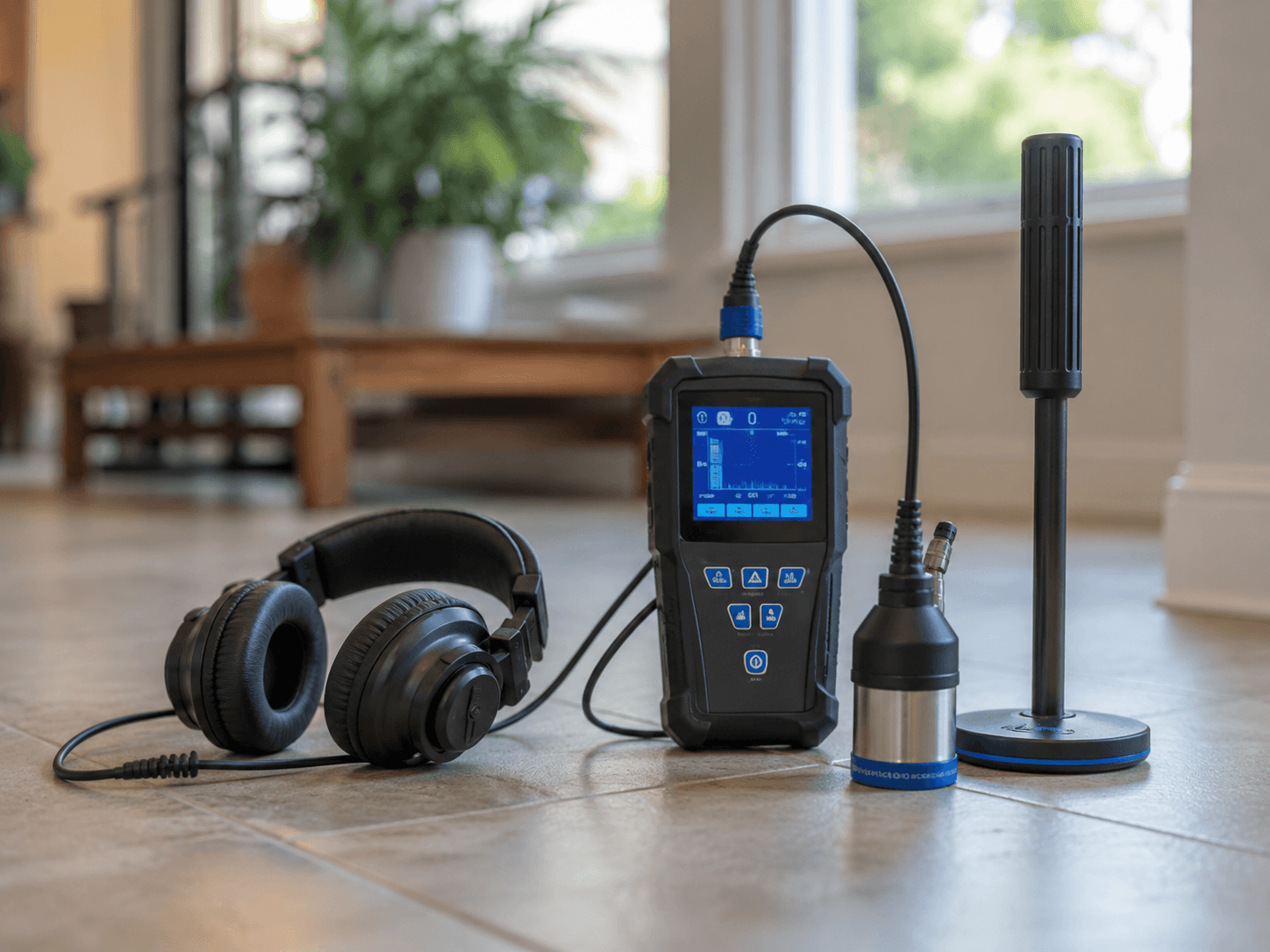
Some problems are obvious, like a cracked supply line under a sink. Others take testing to find, like a hidden leak under the slab or a sewer line that keeps backing up. Leak detection and camera inspections add to the cost, but they keep you from paying for the wrong repair.
3. Access
How hard it is to reach the problem often matters as much as the problem itself. A clog with an accessible cleanout is quicker to reach than one that requires pulling a toilet. A leak behind an open cabinet is simpler than one inside a finished wall or under a concrete slab. Access work and the patching afterward can add time and cost.
4. Parts and materials
A new faucet can range from a basic model to a high-end one. Water heaters vary by size, fuel type, and tank vs. tankless. Repipes depend on the pipe material - national guides note copper usually costs more than PEX. Ask what brand and model is included in your quote.
5. Permits and code
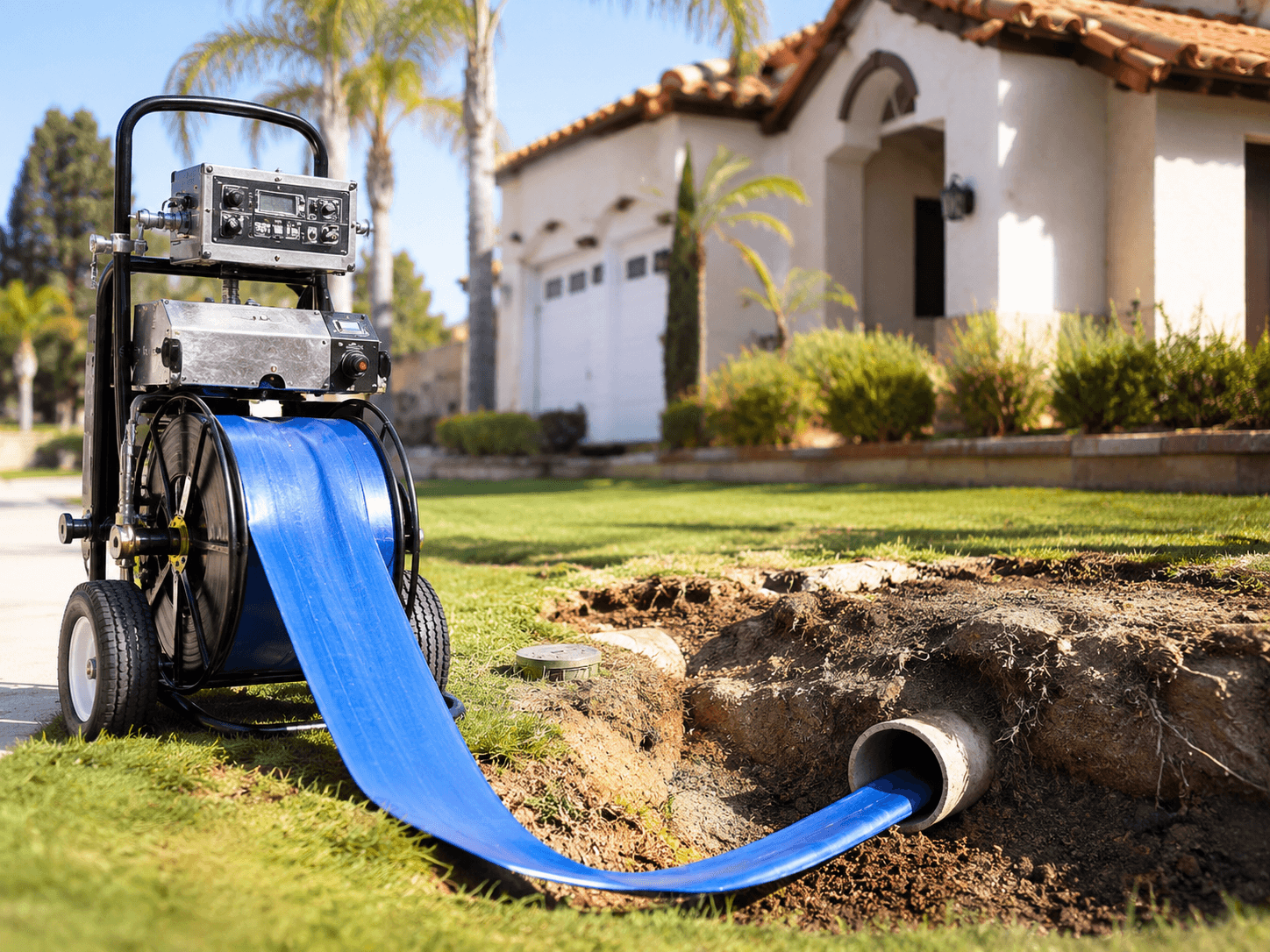
Larger jobs often need a permit from your city. Many cities require one for water heater replacements, and California law requires new and replacement water heaters to be strapped against earthquake movement. Sewer line replacements and repipes usually need permits too. Permit fees and inspections add to the cost, but they help make sure the work meets code.
6. The size of the job
A single drain clog is a short visit. A water heater replacement or a whole-home repipe is a bigger project with more labor, more materials, and sometimes drywall patching.
Can it wait until regular hours?
Waiting can save on after-hours rates, but only when it's safe. As a rough guide:
- Call now: water you can't stop, a burst pipe, sewage backing up into the home, or no water at all.
- Often safe to wait: a leak you've stopped by closing a fixture valve or the main, one slow drain when the others work, or a dripping faucet.
If you're not sure, call a plumber and describe what you're seeing before you decide.
Hourly vs. up-front pricing
Plumbers usually price work one of two ways:
- Hourly (time and materials). You pay for the time spent plus parts. If the job goes smoothly, it can be fair. If it runs long, the bill grows, and you may not know the total until the end.
- Up-front (flat-rate) pricing. The plumber diagnoses the problem and gives you a set price for the job before starting. You know the total, and you decide whether to go ahead.
Up-front pricing matters most when you're stressed and water is on the floor. It lets you compare options, ask questions, and say no. At First Call Plumbing & Restoration, we give you an up-front price, and you approve it before any work begins.
What a fair quote should include
- What's wrong and how the plumber found it
- The work to be done, in plain language
- Parts and materials, including the brand and model for fixtures and water heaters
- Whether permits are included
- Any access or patching work, such as opening a wall, and who repairs it afterward
- The total price, and anything that could change it
- A license number you can look up
Red flags to watch for
- No price before work starts. A plumber should be able to tell you the cost, or at least the next step's cost, before doing it.
- A phone price far below everyone else's. A very low price can be followed by a long list of add-ons once the plumber is inside. Ask exactly what the price includes.
- No license number. In California, a contractor's license is generally required when a job totals $1,000 or more in labor and materials, or when the work needs a permit. You can look up any license on the Contractors State License Board (CSLB) website. Ours is CSLB Lic. #798425.
- A large deposit up front. For home improvement contracts, California generally limits the down payment to $1,000 or 10 percent of the contract price, whichever is less.
- Pressure to decide right now. Ask to see the evidence - the failed part, photos, or camera footage - before agreeing to a big repair.
- Offers to skip permits to save money.
- Cash only, with no written invoice.
Simple ways to keep plumbing costs down
- Know where your main shutoff valve is. Stopping water fast limits damage. See what to do when a pipe bursts.
- Fix small leaks early. A drip under a sink is cheaper to fix than the cabinet and floor it ruins later.
- Group small jobs together. If a faucet drips and a toilet runs, have both looked at in one visit.
- Ask about options. A repair and a replacement are often both possible. A good plumber explains both and lets you choose.
- Find the root cause of repeat clogs. A camera inspection can show whether roots, buildup, or a broken pipe is behind them.
Need a plumber now? First Call Plumbing & Restoration is open 24/7, and emergency arrival is typically 1-2 hours depending on location and call volume. Call (909) 751-2323 or contact us for an up-front price before any work begins.
Frequently asked questions
How much does a plumber charge per hour?+
National cost guides put plumber rates at roughly $45 to $200 per hour, with averages near $90 to $100. Rates depend on experience, location, and the time of day. Southern California prices can differ from national averages.
Do plumbers charge more for emergencies?+
Usually, yes. National guides put emergency and after-hours rates at about 1.5 to 3 times standard rates, with holidays often at the high end. Still, an active leak or sewage backup usually costs less to fix right away than to leave.
What is a plumber service call fee?+
It's a charge for coming out, sometimes called a trip or dispatch fee. National guides list about $50 to $300. Ask whether the fee is credited toward the repair if you go ahead with the work.
How much does it cost to unclog a drain?+
National cost guides list about $100 to $500 to clear a clogged drain. Our current $69 special covers snaking one problem drain line plus a free HD camera inspection of the main sewer line through an existing, accessible ground-level cleanout. It does not include snaking the main sewer line, and extra access is quoted separately.
Is hourly or up-front pricing better?+
Up-front pricing lets you know the total before work starts, so there are no surprises if the job runs long. Hourly pricing can be fair for simple jobs but makes the final bill harder to predict. Either way, ask for the price in writing first.
This guide is general information, not a quote or professional advice for your specific home or insurance policy. Prices are approximate - we give an up-front quote before any work begins.