Quick answer
A sewer camera inspection is worth it before buying a home because a standard home inspection usually skips the buried main sewer line, where roots, cracks, sags, or collapsed pipe can hide. National cost guides commonly list a basic scope in the low-to-mid hundreds of dollars, and the results can support repair or credit requests in escrow.
When you buy a home, the inspector checks the roof, electrical panel, water heater, and much more. But one of the most expensive parts of the house usually goes unseen: the main sewer line buried in the yard. A sewer camera inspection, often called a sewer scope, puts a small camera inside that pipe so you can see its condition before you commit.
This guide explains why buyers in the Inland Empire get a sewer scope, how it works, what it can find, what it typically costs, and what to do with the results during escrow.
Why a regular home inspection usually doesn't cover it
A general home inspection is a visual inspection. Inspectors look at what they can see and test what they can reach. The sewer line from the house to the city connection - called the sewer lateral or building sewer - is underground, so it's outside the normal scope. InterNACHI's home inspection standards, for example, do not require a sewer scope. Some inspectors offer one as an add-on; many buyers hire a plumber instead.
Running water and flushing toilets during an inspection doesn't prove much either. A line can be cracked, full of roots, or sagging and still drain fine during a short test - especially if the house has been empty.
Why it matters more for older Inland Empire homes
Many established neighborhoods in Riverside, San Bernardino, Redlands, Colton, and other Inland Empire cities have homes built in the mid-1900s. Sewer lines from that era were often made of materials that wear out or let roots in:
| Pipe material | Common in | Typical problems |
|---|---|---|
| Clay (vitrified clay) | Older homes | Short sections joined every few feet; roots get into the joints. Pipe can crack or shift. |
| Cast iron | Older homes, often under and near the house | Rusts and scales from the inside over time, narrowing the pipe. Can crack or develop holes. |
| Orangeburg (fiber pipe) | Homes built roughly the 1940s to early 1970s | Made of wood pulp fiber and tar. Can soften, deform, and collapse with age. Roots break it apart easily. |
| ABS or PVC plastic | Newer homes and past repairs | Durable, but can still have sags, offset joints, or damage from digging or settling. |
Mature trees add to the risk. Roots grow toward the moisture in sewer lines and can work into small cracks and joints, then grow until they block the pipe. Even newer homes can have problems from construction debris, poor installation, or ground movement.
What a sewer camera can find
- Root intrusion at joints or cracks
- Cracks, breaks, and holes in the pipe wall
- Offset or separated joints where sections have shifted
- Bellies (sags) - low spots where water and waste sit and build up
- Collapsed or crushed sections
- Heavy scale or corrosion inside cast iron pipe
- Grease buildup or blockages
- The pipe material and where it changes from one type to another
- Past repairs, such as patched sections or liners
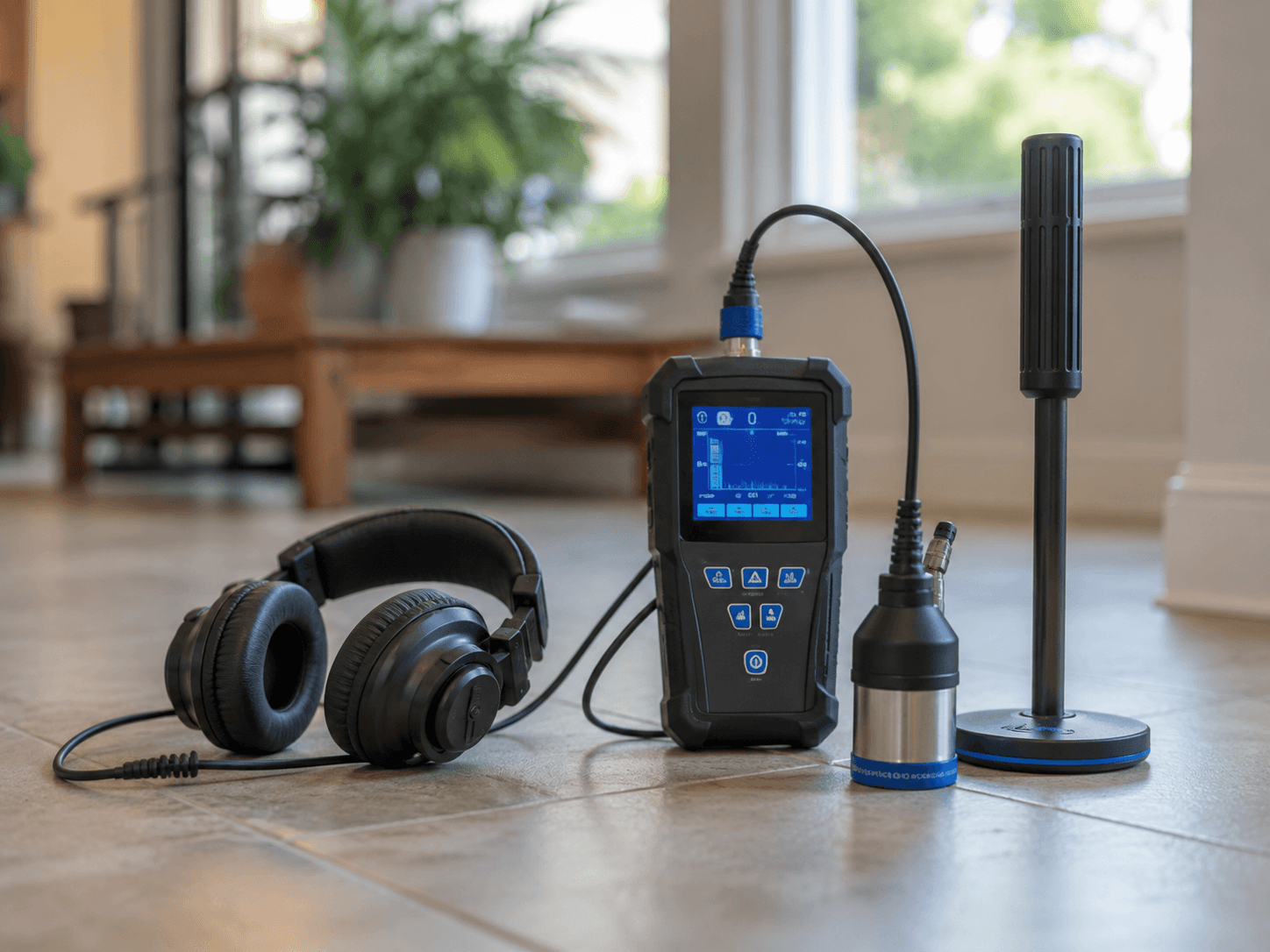
- Location and depth of trouble spots, using a locator on the camera head
Knowing exactly where a problem is - and how deep - matters, because it affects whether a repair can be done with trenchless methods or needs digging, and how much it will cost.
How a sewer scope works
- Find an access point. The best access is a sewer cleanout - a capped pipe usually near the foundation or in the yard. If there's no accessible cleanout, the plumber may need to go through a roof vent or pull a toilet, which takes more time.
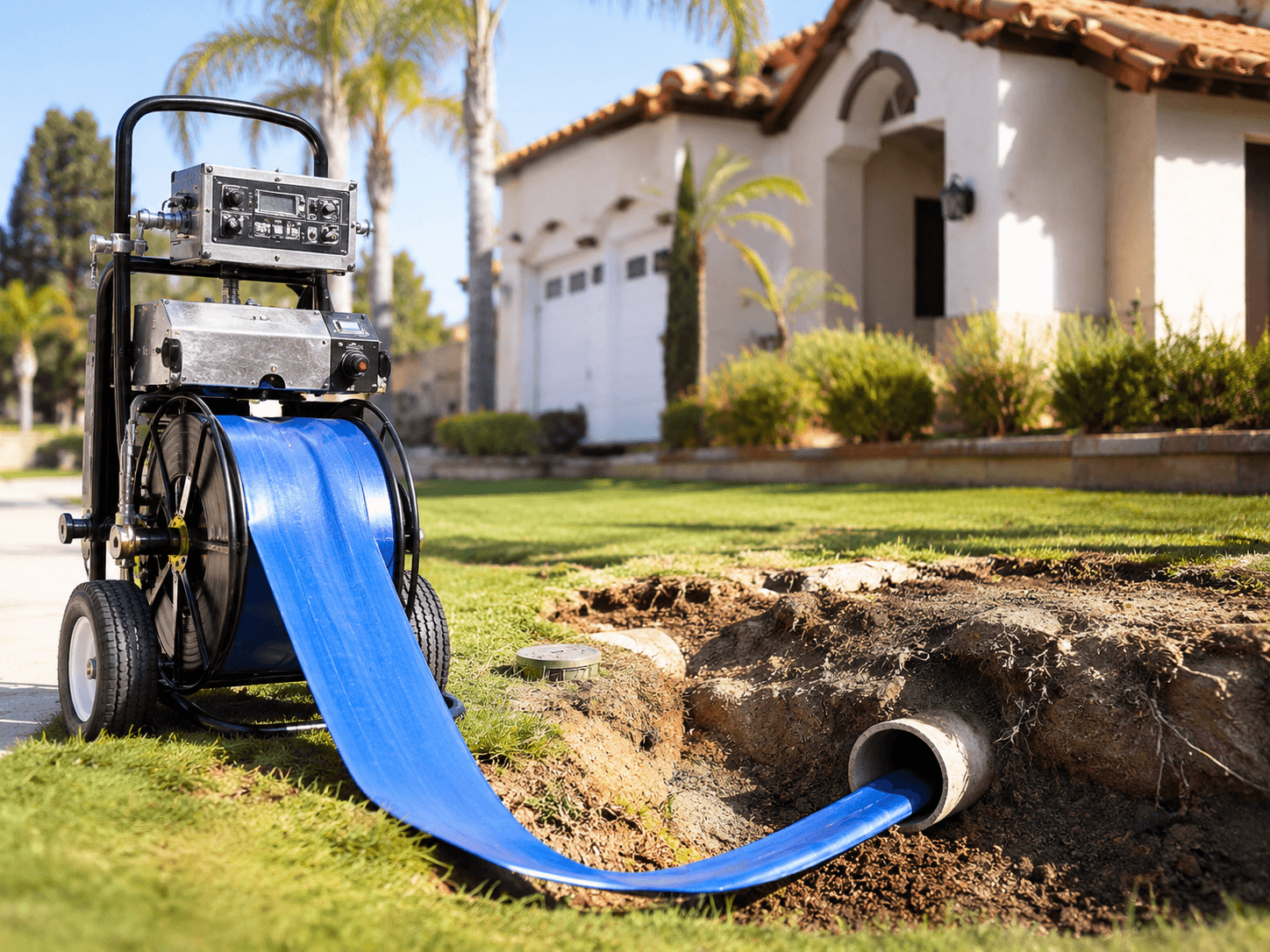
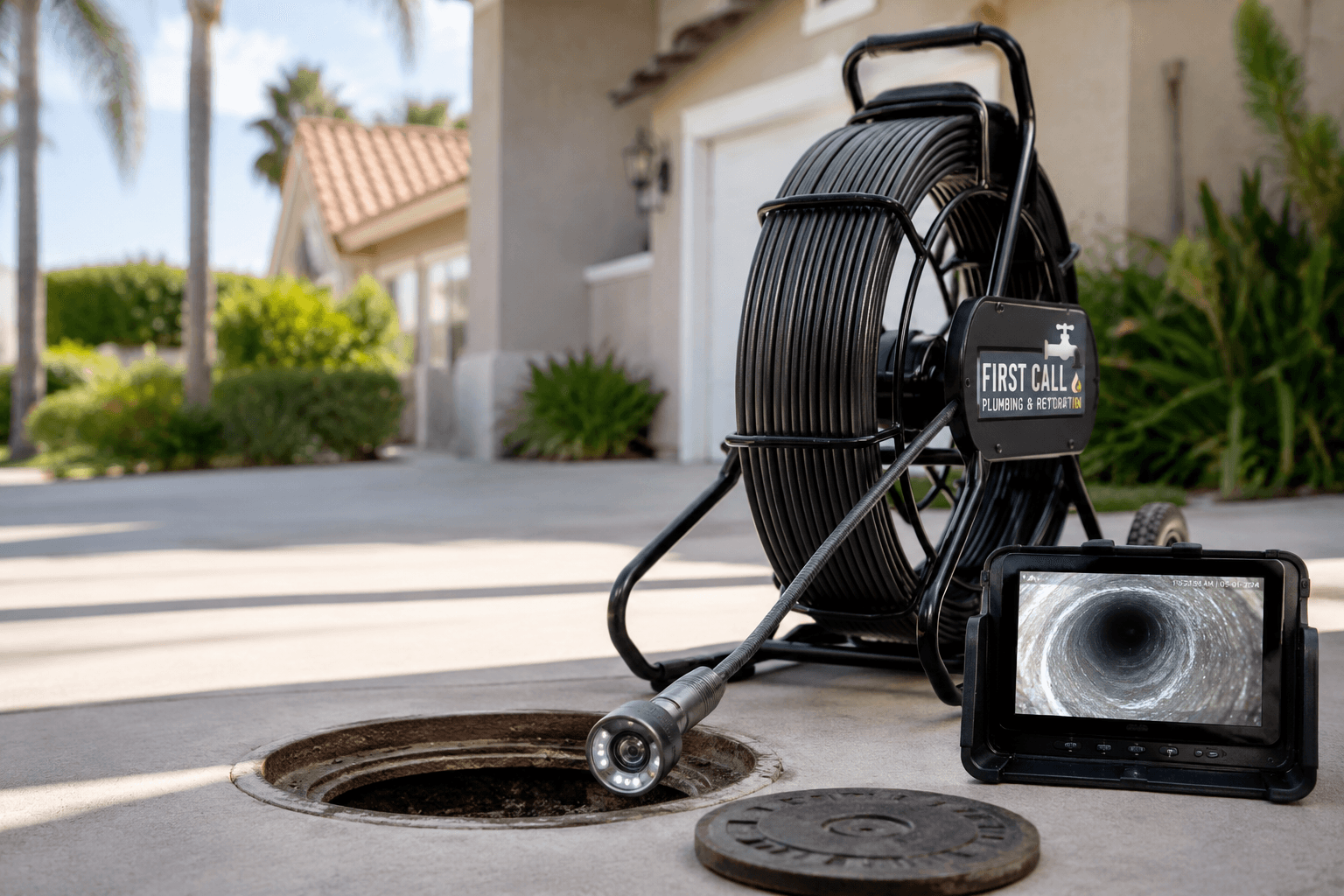
- Run the camera. A waterproof camera on a flexible push cable is fed through the line toward the street connection. The plumber watches a live feed and records the video.
- Locate problems. When the camera reaches a defect, the plumber can use a locator above ground to mark where it is in the yard and roughly how deep.
- Review the footage. The plumber walks you through what the video shows and explains whether anything needs attention now, later, or not at all.
Before the visit, your agent will need to arrange access with the seller. Running some water through the drains first can help the camera show how the line drains. If the line is badly blocked, the plumber may need to clear it before the camera can get through.
What does a sewer scope cost?
Prices vary by company, how long the line is, and how easy it is to access. National cost guides commonly list a basic sewer camera inspection in the low-to-mid hundreds of dollars, with higher prices when there's no cleanout or the line is long or complicated. That's small compared to sewer line repairs, which can run into the thousands.
If you already own your home, we include a free HD camera inspection with any service. We also have a current special: $69 drain snaking of one problem drain line plus a FREE HD camera inspection of the main sewer line through an accessible ground-level cleanout. We snake the drain line only, not the main sewer line, and homes without an accessible cleanout may need extra access, which is quoted separately. See our sewer camera inspection page for details.
What to do with the results in escrow
On the standard California residential purchase agreement, buyers have an investigation contingency - 17 days after acceptance by default, unless your contract says otherwise. Schedule the sewer scope early in that window so there's time for a follow-up quote if something turns up. Talk with your real estate agent about your specific contract and deadlines.
If the line looks good
Great - keep the video for your records. It gives you a baseline to compare with if you ever have a backup later.
If there are minor issues
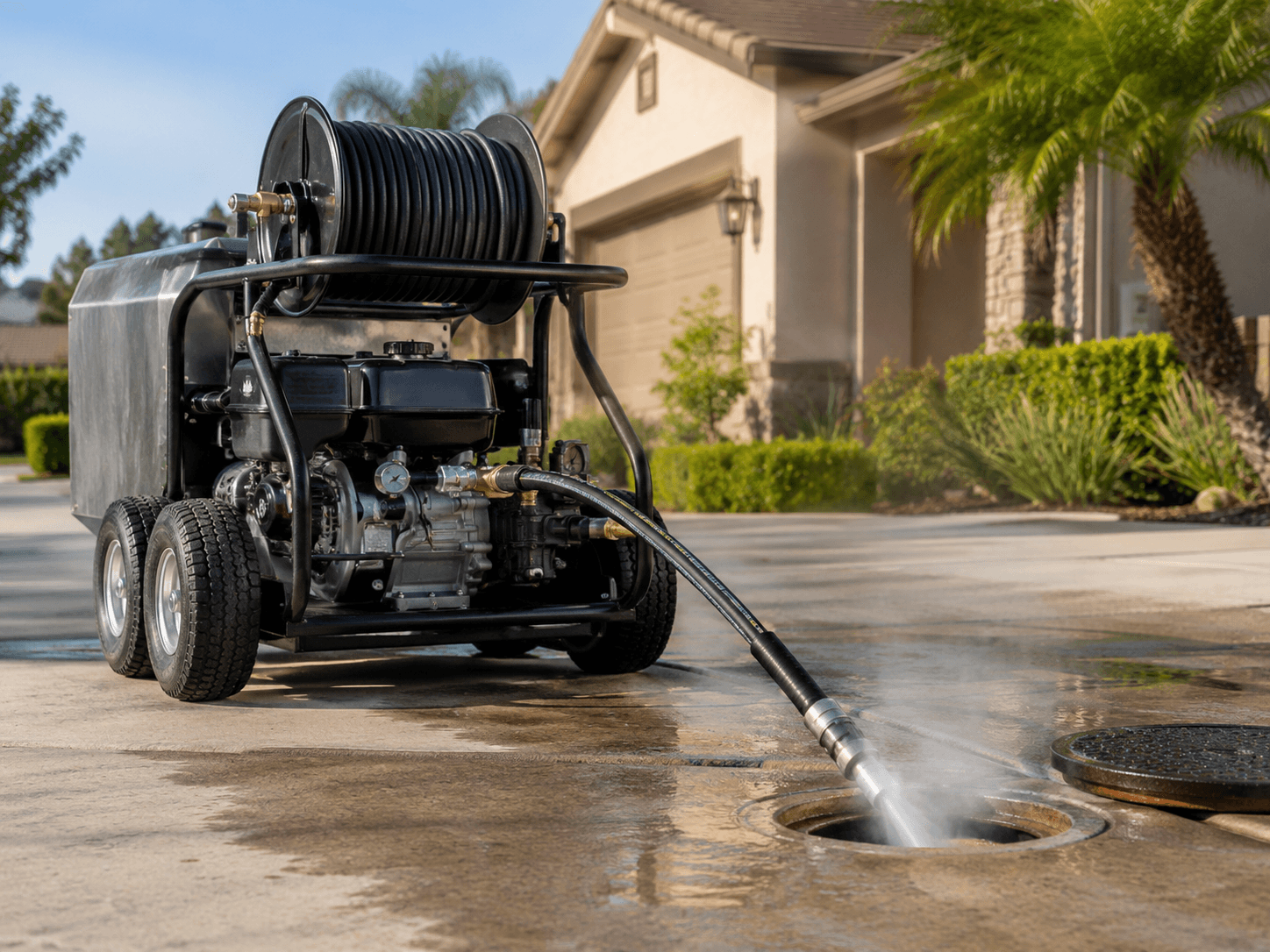
Light roots or buildup can often be handled with cleaning, such as hydro jetting, followed by routine maintenance. Get a written estimate so you know the cost going in.
If there's major damage
Cracks, breaks, bellies, Orangeburg pipe, or collapsed sections usually mean repair or replacement. Get a written repair quote that shows the scope of work. With that in hand, buyers commonly:
- Ask the seller to make the repair before closing
- Ask for a credit or a lower price to cover the repair
- Cancel within the contingency period if the problem changes the deal for you
Also ask your city how much of the line is the owner's responsibility. In many places the owner is responsible for the lateral from the house out to the city main, but the dividing point can differ, so it's worth confirming.
Signs a sewer line already has problems
Whether you're buying or already own the home, these signs point to a main line issue:
- Several drains slow or backing up at the same time
- Gurgling from toilets or drains when other fixtures run
- Water backing up into a tub or shower when a toilet is flushed
- Sewage smell indoors or in the yard
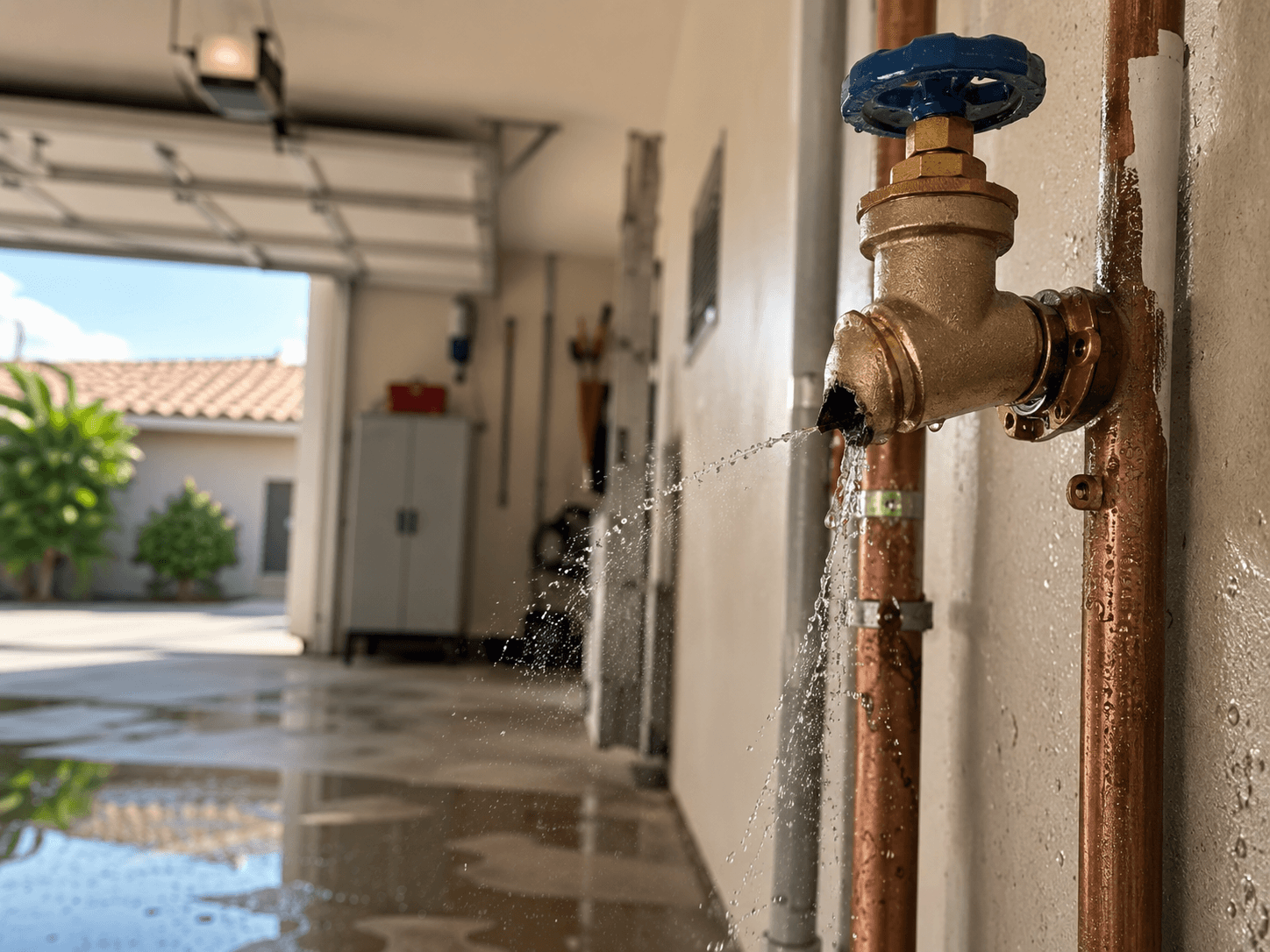
- A soggy or extra-green patch of lawn over the sewer line
If sewage has backed up into the home, treat it as an emergency and keep people and pets out of the affected area. See our guide on the first 24 hours after water damage.
Schedule a sewer camera inspection
We provide HD sewer camera inspections across Riverside and San Bernardino counties, plus Yorba Linda, Brea, and Placentia. We'll show you the footage, explain what we see in plain language, and give you an up-front quote for any work we recommend.
Call First Call Plumbing & Restoration at (909) 751-2323 - we're open 24/7 - or contact us to book a time that works with your escrow timeline.
Frequently asked questions
Does a home inspection include a sewer scope?+
Usually not. General home inspections are visual, and standards such as InterNACHI's do not require a sewer scope. Some inspectors offer it as an add-on, or you can hire a plumber to do it.
How long does a sewer camera inspection take?+
Many inspections take about an hour when there's an accessible cleanout. It can take longer if the plumber has to access the line through a roof vent or by pulling a toilet, or if the line needs clearing first.
Is a sewer scope worth it for a newer home?+
It's most important for older homes with clay, cast iron, or Orangeburg pipe and mature trees. But newer lines can still have sags, offset joints, or construction debris, so many buyers scope any home they're serious about.
Who pays for a sewer scope when buying a house?+
Buyers typically pay for their own inspections, including a sewer scope. If the scope finds damage, the results can be used to negotiate a repair, a credit, or a price change with the seller.
Can a cracked sewer line be fixed without digging up the yard?+
Often, yes. Trenchless methods such as pipe lining or pipe bursting can repair or replace many lines through small access points. The camera footage helps determine whether a trenchless repair is possible for your line.
This guide is general information, not a quote or professional advice for your specific home or insurance policy. Prices are approximate - we give an up-front quote before any work begins.