Quick answer
Homeowners insurance in California usually covers mold only when it results from a sudden, covered water loss, like a burst pipe, and often only up to a dollar cap. Mold from slow leaks, humidity, or a leak that was left unfixed is usually excluded, so check your policy's mold wording and limit.
You pull back a baseboard after a leak and find dark spots on the drywall. Or a musty smell under the sink turns into fuzzy growth on the cabinet floor. Along with the worry about your home comes the question: will insurance pay for mold?
Mold is one of the most limited coverages in a typical homeowners policy. Whether yours pays usually comes down to what caused the mold, how long it went on, and the dollar cap written into your policy. This guide explains how that usually works in California and how to protect your claim.
The short answer: it depends on the water behind it
Mold needs moisture to grow, so insurers look at where that moisture came from. Here is how common situations are often treated:
| Where the mold came from | How policies often treat it |
|---|---|
| A sudden, covered leak (like a burst supply line) that was found and dried quickly | May be covered, often up to a mold cap |
| An accidental plumbing leak hidden inside a wall, ceiling, or floor | Some policy forms specifically cover this. Others exclude or cap it. |
| A slow leak that went on for weeks or months | Usually excluded |
| A known leak that was never fixed | Usually excluded as neglect |
| Humidity, condensation, or poor ventilation | Usually excluded |
| Flood or sewer backup | Depends on flood coverage or a water backup add-on |
Mold exclusions and dollar caps
In the early 2000s, after some very large mold lawsuits, insurers across the country added mold exclusions and limits to homeowners policies. Today, many policies exclude mold unless it results from a covered loss. Even then, they often set a separate dollar limit for mold. Limits of $10,000 or less are common, and some are much lower.
A few things to check on your declarations page and in your policy:
- Your mold limit. Look for words like "fungi," "wet or dry rot," or "bacteria." The limit may be listed in an endorsement, not the main policy.
- What counts toward the cap. Depending on the wording, it may include testing, removal, the tear-out needed to reach mold, and even extra living expenses while you're out of the home.
- How the cap is split. Some insurers count only the extra cost caused by mold against the mold limit, with the rest of the water damage repair paid under your dwelling coverage. Ask your adjuster how yours works.
- Whether you can buy more. Some insurers offer endorsements that raise the mold limit for an added premium.
Sudden water loss vs. long-term leaks and neglect
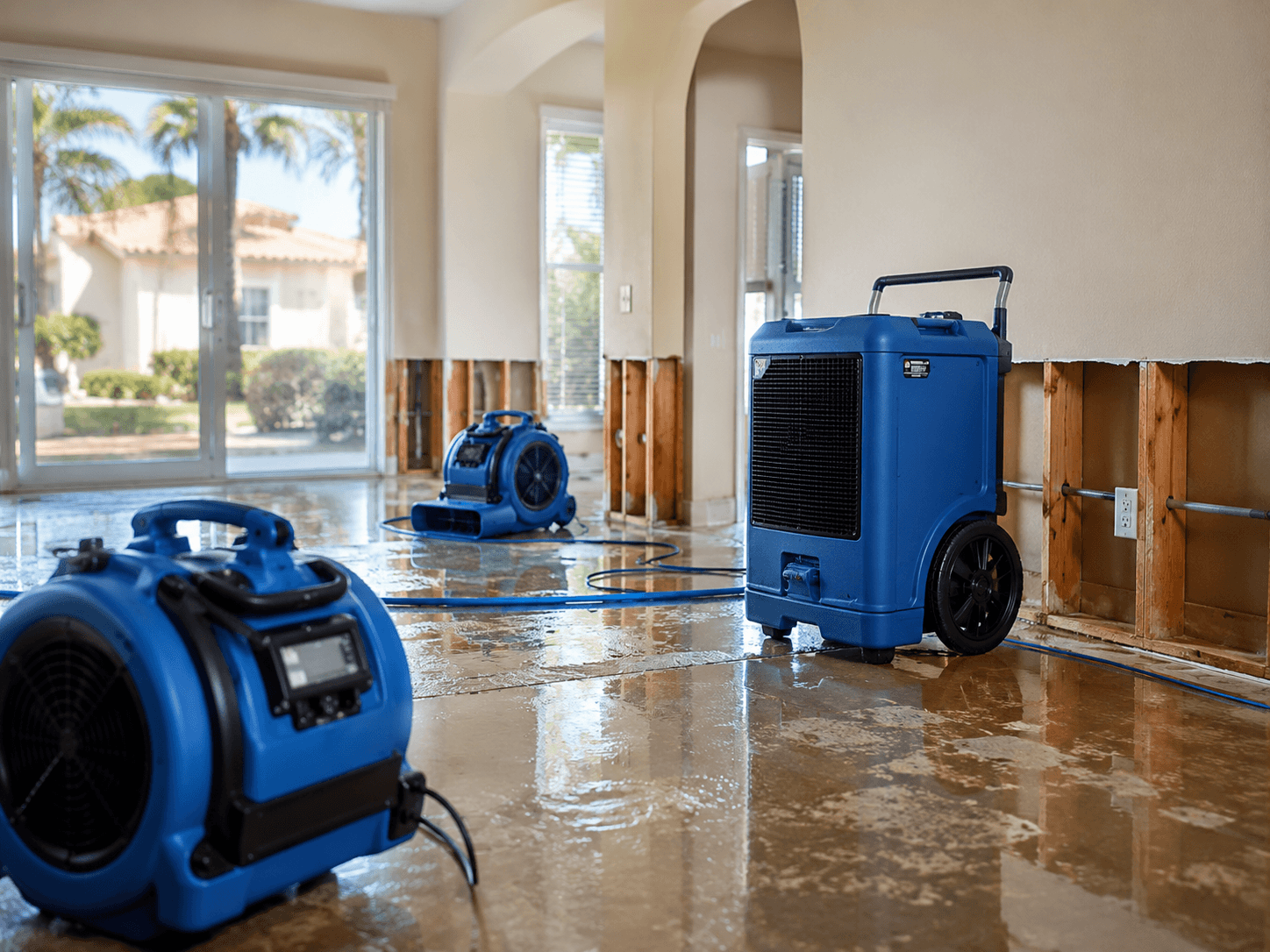
The strongest mold claims follow a clear, sudden event: a supply line bursts, a water heater fails, or a dishwasher hose splits. You find the water, stop it, and start drying right away. If mold shows up as part of that loss, it may be covered up to your limit.
The weakest claims involve mold that grew over a long time. An Insurance Information Institute spokesperson has said that mold present for several weeks or longer likely isn't covered. Most policies also exclude damage from wear and tear, long-term leakage, and neglect - including a leak you knew about but didn't fix.
Timing matters even after a covered leak. Most policies require you to take reasonable steps to protect your home from further damage. Mold can start growing on wet materials within 24 to 48 hours, so waiting to dry things out can turn a covered water loss into a mold problem your policy limits. See how fast mold grows after water damage.
California courts look closely at policy wording in mold disputes. In some cases, courts have upheld mold exclusions even when the mold followed a covered water leak. Don't assume mold is covered just because the leak was.
California claim timelines
California's Fair Claims Settlement Practices Regulations (10 CCR 2695.5 and 2695.7) set time limits that apply to mold claims like any other property claim:
| Step | General time limit |
|---|---|
| Acknowledge your claim, send forms and instructions, and begin investigating | Within 15 calendar days of notice |
| Respond to your communications about the claim | Within 15 calendar days |
| Accept or deny the claim | Within 40 calendar days after proof of claim |
| If more time is needed | Written notice explaining why, updated every 30 days |
| Pay the accepted amount | Within 30 calendar days of acceptance |
A denial must be in writing and explain the reasons, including any policy language the insurer relies on. That written explanation is important if you want to question a mold decision.
How to document a mold claim
- Photograph and video the mold and the water source before anything is cleaned, cut out, or moved. Include wide shots and close-ups.
- Write down when you found it and when the leak happened, if you know.
- Keep the failed part, like a cracked supply line or fitting, and the plumber's invoice showing the cause.
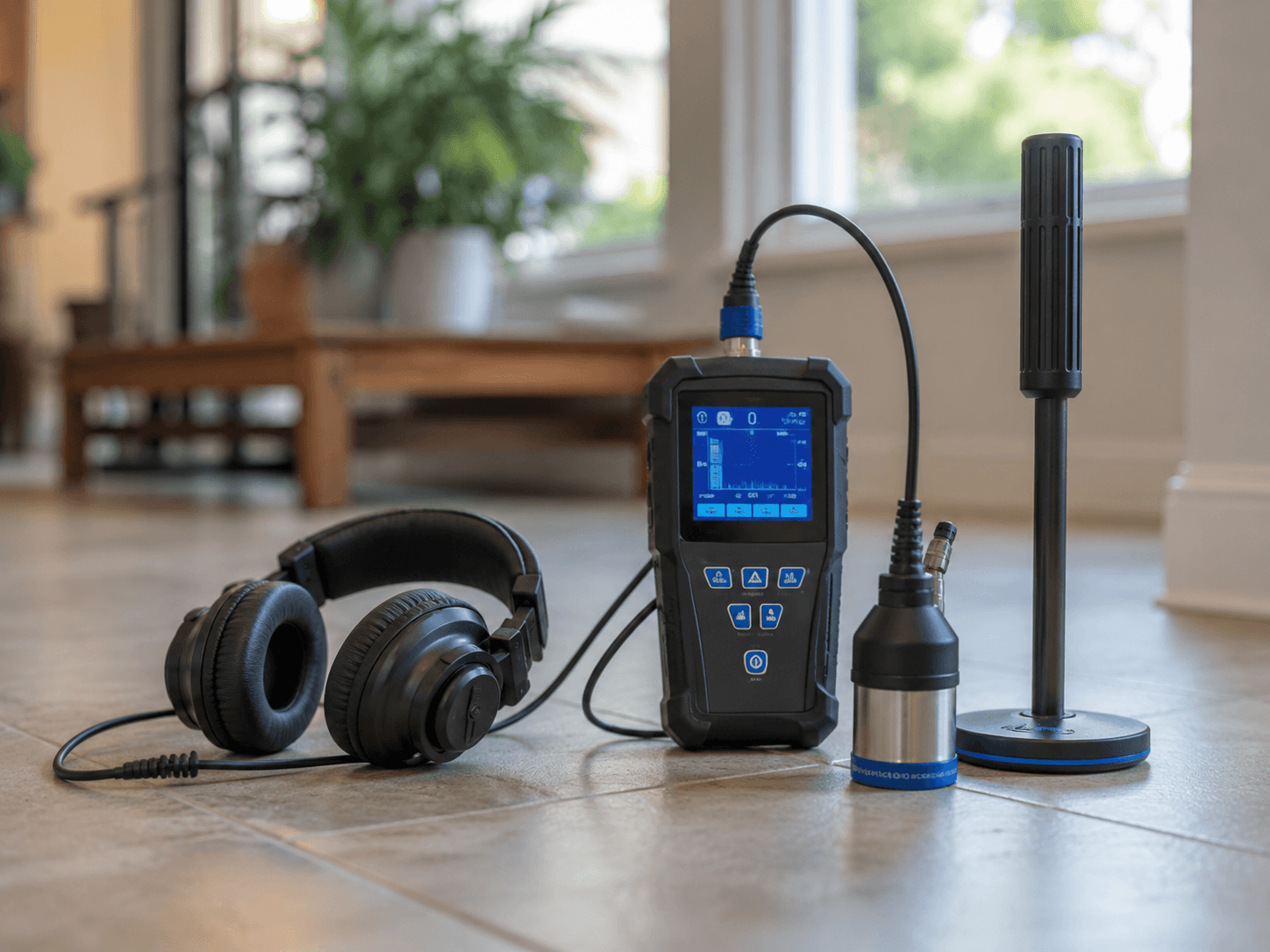
- Get moisture readings that show how far the water traveled. Wet areas often extend past the visible mold.
- Report the claim promptly and write down your claim number.
- Ask before major tear-out. Stop the leak and dry what you can, but tell your insurer before large areas of drywall, cabinets, or flooring are removed, unless it can't wait.
- Keep every receipt for emergency work, drying, and any extra living expenses.
- Keep a log of every call, email, and visit: date, name, and what was said.
Do you need a mold test for the claim? Usually not for the cleanup itself. The CDC does not recommend routine mold testing, since any growth should be removed no matter the type. Your insurer may want its own inspection, and testing costs may or may not be covered, so ask your adjuster first.
If your mold claim is capped or denied
- Ask for the decision in writing with the policy language it relies on.
- Ask for a complete copy of your policy, including all endorsements, if you don't have one.
- Compare scopes. Make sure the insurer's estimate includes the same removal, drying, and rebuild steps as your contractor's.
- Get help if you need it. The California Department of Insurance consumer hotline is 1-800-927-4357. For large disputes, some homeowners talk to a licensed attorney or public adjuster.
How we help
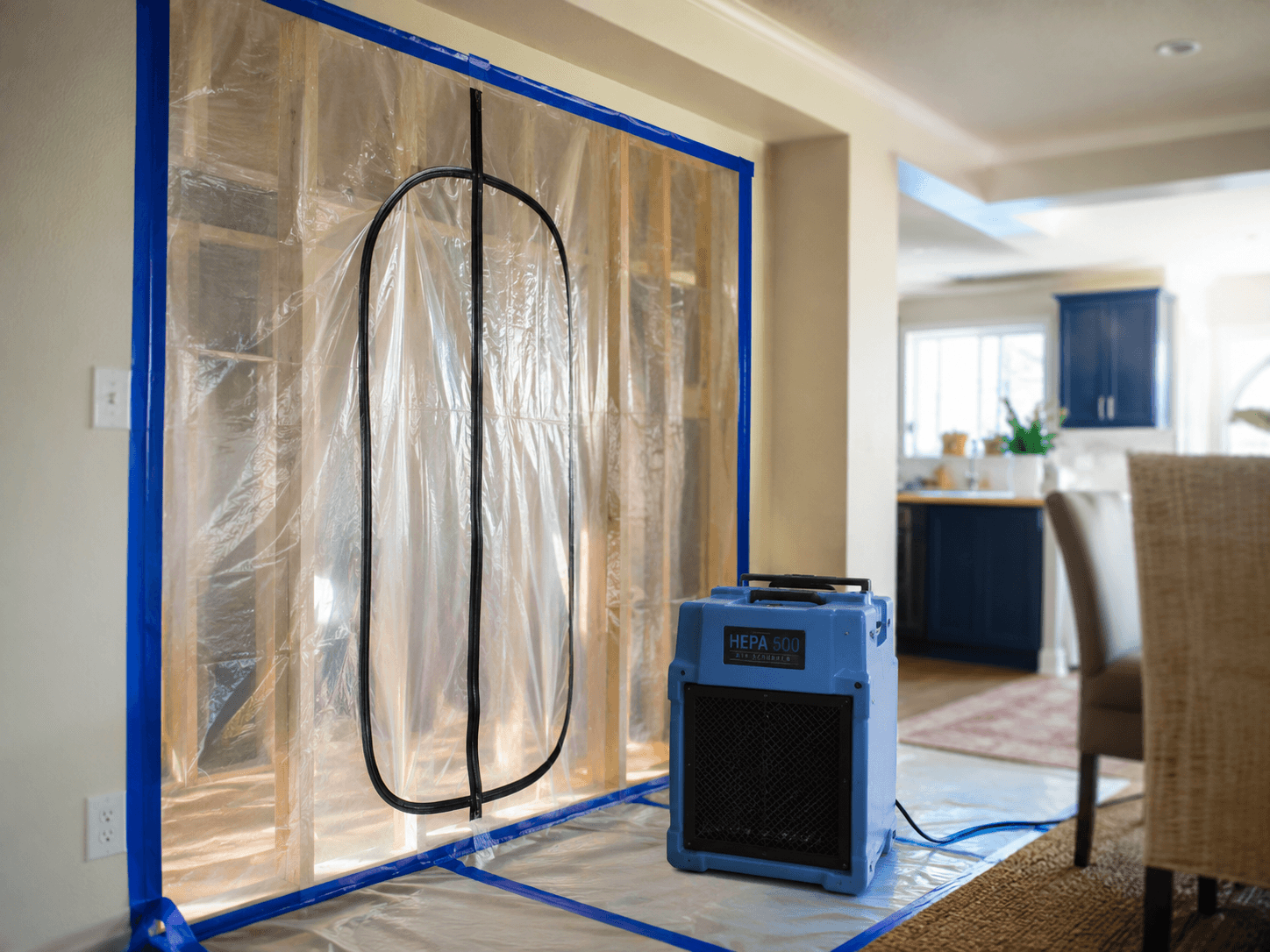
First Call Plumbing & Restoration fixes the leak and handles the mold remediation, so one team covers the source and the damage. Our IICRC-certified techs document the job with photos, moisture readings, and a written scope, and we can work with your adjuster. We can't promise your claim will be approved - coverage and settlement are between you and your insurer. For more on water damage coverage in general, see does homeowners insurance cover water damage in California.
Found mold after a leak? We're open 24/7. Call (909) 751-2323 or contact us to stop the moisture, document the damage, and get an up-front quote approved before work begins.
Frequently asked questions
Does homeowners insurance cover mold in California?+
Usually only when the mold results from a sudden, covered water loss, like a burst pipe, and often only up to a dollar limit. Mold from slow leaks, humidity, or neglect is usually excluded. Check your policy's mold wording and limit.
How much will insurance pay for mold removal?+
It depends on your policy. Many policies set a separate mold limit, and limits of $10,000 or less are common, with some much lower. Some insurers offer endorsements that raise the limit.
Is mold from a slow leak covered by insurance?+
Usually not. Most policies exclude damage from long-term leakage, wear and tear, and neglect. An Insurance Information Institute spokesperson has said mold present for several weeks or longer likely isn't covered.
Does insurance pay for mold testing?+
It depends on the policy. Testing costs may count toward your mold limit or may not be covered at all, so ask your adjuster before testing. The CDC does not recommend routine mold testing for most homes.
How long does an insurer have to respond to a mold claim in California?+
Under California's Fair Claims Settlement Practices Regulations, insurers generally must acknowledge a claim within 15 calendar days and accept or deny it within 40 calendar days after receiving proof of claim. If they need more time, they must explain why in writing and update you every 30 days.
This guide is general information, not a quote or professional advice for your specific home or insurance policy. Prices are approximate - we give an up-front quote before any work begins.