Reverse Osmosis Systems
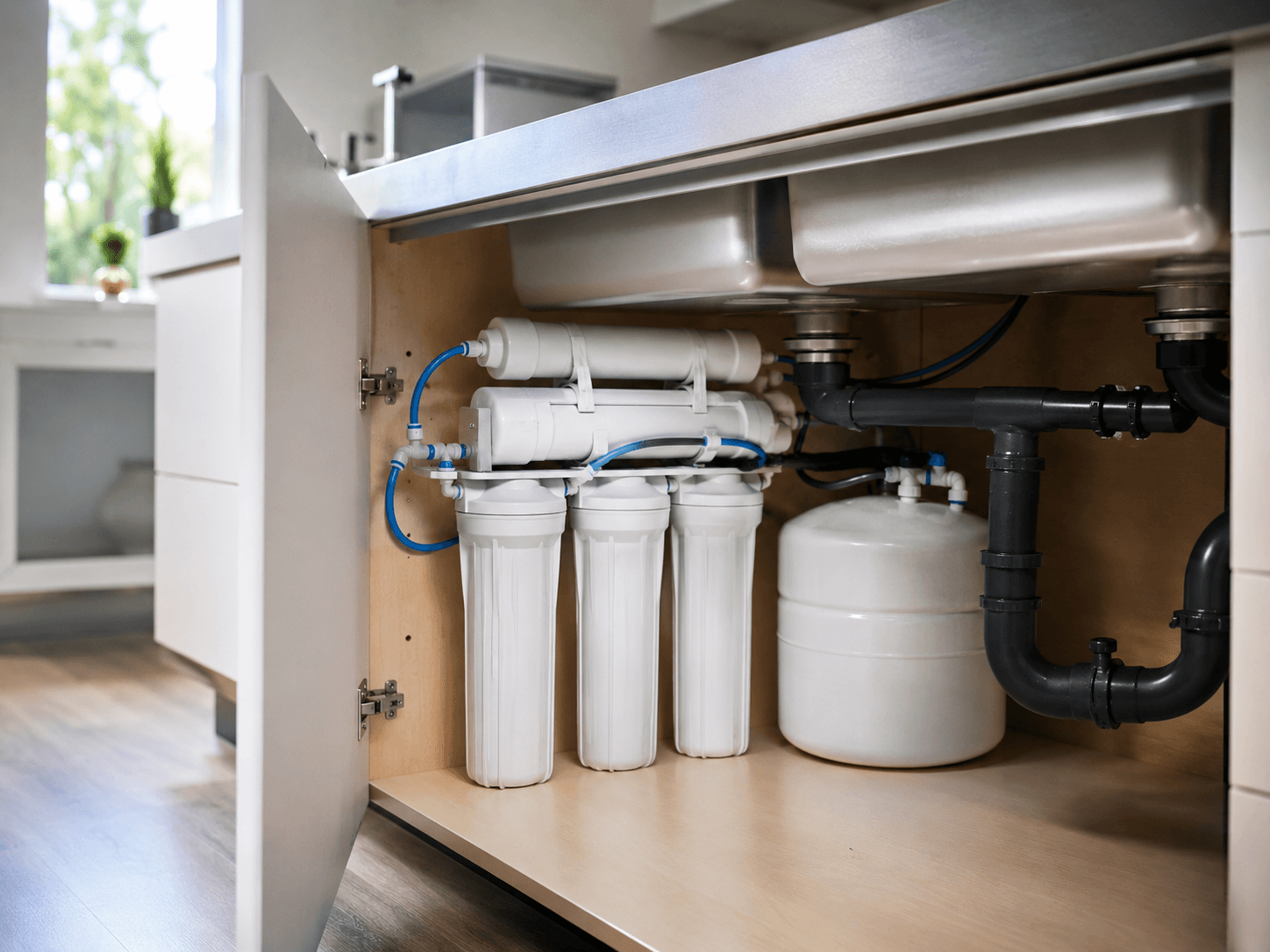
Reverse osmosis filtration removes contaminants, minerals, and that tap taste - giving your family clean, great-tasting drinking water right at the sink.
What's included
- Under-sink & whole-home options
- Removes contaminants, taste & odor
- Crisp, bottle-quality drinking water
- Optional dedicated faucet & fridge line
- Easy filter-change service plans
- Professional installation
Need this today?
We're available 24/7 across the Inland Empire with up-front pricing and licensed, insured technicians.
(909) 751-2323Contact usReverse Osmosis Systems FAQs
How does a reverse osmosis system work?+
A reverse osmosis (RO) system pushes water through a very fine membrane that blocks most dissolved minerals and many contaminants. Pre-filters catch sediment and chlorine first to protect the membrane. The treated water is usually stored in a small tank under the sink and sent to its own faucet. The result is clean, crisp drinking and cooking water without buying bottled water.
What does a reverse osmosis system remove from tap water?+
Reverse osmosis removes most dissolved minerals, including the calcium and magnesium in hard water, plus many contaminants and the taste and odor of chlorine. It is one of the most thorough filtration methods available for a home. Exactly what a system removes depends on the model and its certification, so check its listed performance data. We can help you choose a unit that fits your local water report.
How often do you change reverse osmosis filters?+
Most under-sink RO systems need new pre-filters about every 6 to 12 months and a new membrane about every 2 to 5 years. Hard water, heavy use, and high chlorine mean more frequent changes. Don't wait for the taste to change, because worn-out pre-filters can let the membrane get damaged first. Follow your system's manual, or ask us about a filter-change service plan.
Do I still need a water softener if I have reverse osmosis?+
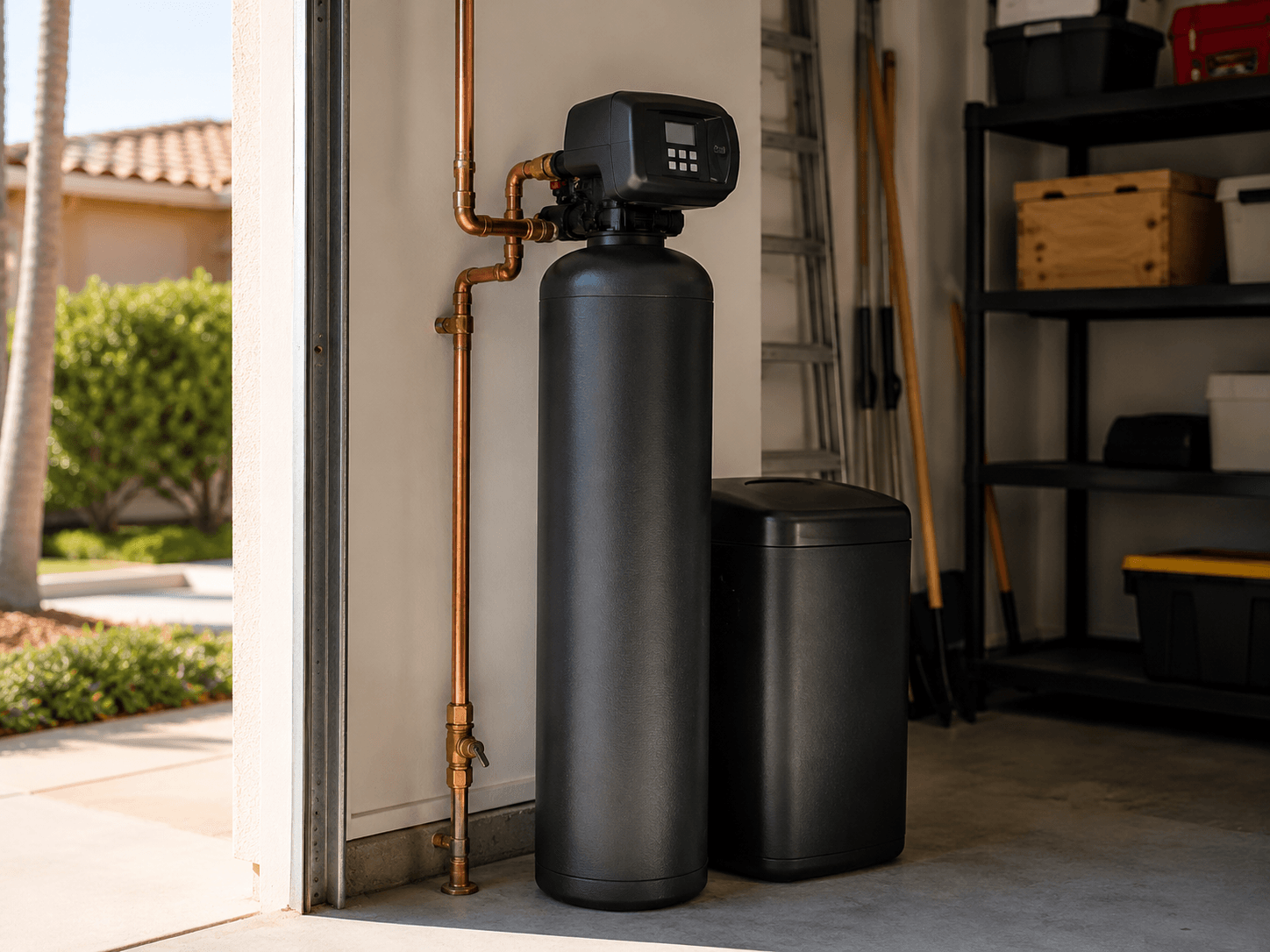
Usually yes, if hard water is causing scale around the house. Most RO systems sit under the kitchen sink and only treat drinking and cooking water, so your showers, water heater, and appliances still get hard water. Many Inland Empire homes pair a whole-home water softener or exchange-tank service with RO at the kitchen sink.
Can a reverse osmosis system connect to my refrigerator?+
Yes, an RO system can usually be connected to your refrigerator's water dispenser and ice maker. During installation, we run a line from the RO system to the fridge when the layout allows it, so your ice and fridge water are filtered too. Let us know when you book, so we can plan the line route along with the dedicated faucet.
Your First Call Clears It All.
Talk to a real person now and get a licensed plumber or restoration crew dispatched across the Inland Empire - day or night.